Mining Your Mexico Returns: How US Sellers Turn Return Data into Inventory, Profit, and Amazon Account Health
Learn how US sellers can turn Mexico returns into a source of inventory, data, and Amazon account health with Obserway's Monterrey warehouse, local fulfillment, and end-to-end returns management.
Why Returns Are No Longer Just a Cost Center
Returns have always felt like a tax on e-commerce. You pay for the original shipment, the return shipment, the inspection, the restocking, and sometimes the write-off. For US sellers selling into Mexico, those costs multiply when packages have to cross a border twice. But the real problem is not the cost itself. It is the missed opportunity hidden inside every return.
According to the National Retail Federation's 2025 Retail Returns Landscape report, retailers expected 15.8% of their 2025 sales to be returned, representing roughly 849.9 billion dollars in merchandise. For online sales, the return rate climbed to 19.3%. That means a meaningful slice of every cross-border catalog ends up flowing backward. At the same time, U.S.-Mexico goods trade hit 872.8 billion dollars in 2025, according to the U.S. Census Bureau. With that much volume, returns are not an edge case. They are a regular operating reality for every Amazon FBA, Amazon FBM, Shopify, and Etsy seller serving Mexico.
The smart seller, however, treats returns as a source of intelligence. Each returned item contains information about product quality, listing accuracy, packaging durability, and even customs compliance. When you route those returns through a single, well-managed hub like Obserway's Monterrey warehouse, you can capture that information and use it to make better decisions. Obserway has handled more than 500,000 successful deliveries and supports more than 2,000 Amazon sellers, so the company knows how reverse logistics behaves in practice.
In this guide, you will learn how to turn your Mexico returns into a closed-loop system: receive items locally, inspect them quickly, restock or resell them in Mexico, and use the data to protect your margins and your Amazon seller account. This is not about wishing returns away. It is about building an operation that makes returns cheaper, faster, and more useful.
The Anatomy of a Mexico Return: From Customer Doorstep to Your Next Decision
Before you can mine returns for value, you need a clear picture of what happens between the customer's request and your next inventory decision. In a fragmented setup, a return might travel from a buyer in Mexico City back to a US warehouse, sit in a mailbox, wait for customs paperwork, and then get processed days later. That model is slow and expensive. Obserway's approach collapses the journey.
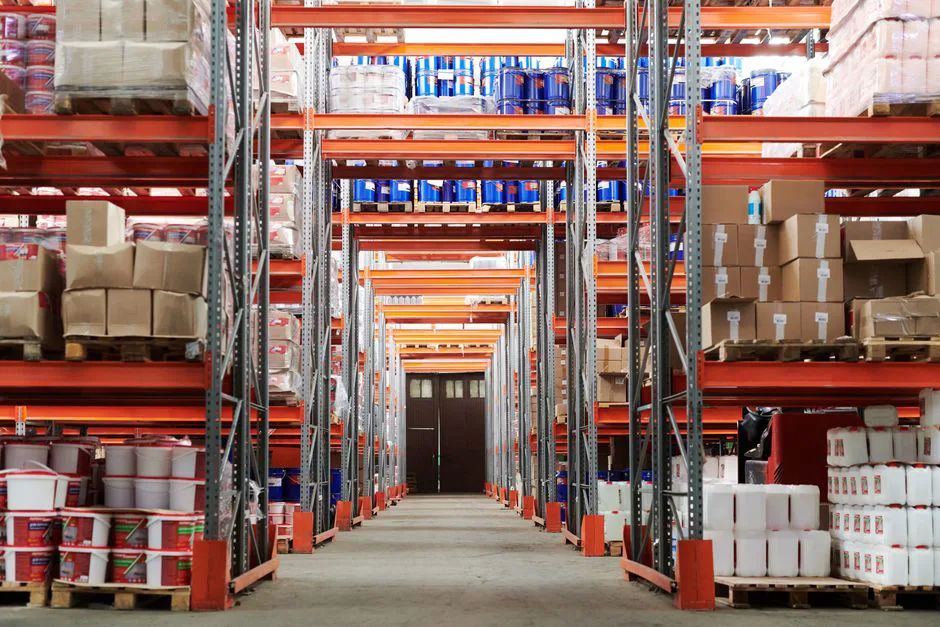
When a customer in Mexico requests a return, the parcel is routed to Obserway's full-service warehouse in Monterrey. This is not an afterthought address; it is a dedicated facility that handles receiving, inspection, storage, and reshipment. Once the box arrives, the team opens it, verifies the contents against the order, and records the condition of the item. They also capture the customer's stated return reason, whether that is size, damage, changed mind, or something related to delivery and customs.
From there, the system presents clear disposition options. If the item is in sellable condition, it can be put back into your sellable inventory immediately and shipped to the next Mexican customer. If it needs minor work such as new packaging, repacking, or relabeling, that is handled inside the warehouse. If it is no longer sellable in its current form, you can choose a secondary path such as liquidation, local disposal, or a controlled return to the US. The key is that you are not forced into a one-size-fits-all decision.
Obserway also integrates this workflow with tools your team probably already uses. EasyCentral and MongerLab are part of the company's software integration stack, which means return status and inventory updates can flow through your operational systems without manual spreadsheet gymnastics. When a return is received in Monterrey, your sellable stock picture can change quickly. That speed matters because a returned item is not revenue until it is back on a shelf. Average package processing time inside Obserway is 4 to 5 hours, so you are not waiting days to know the fate of each item.
How Obserway Turns Return Data into Actionable Seller Insights
The moment a return is opened, data begins to form. Obserway's team in Monterrey records more than just whether the item is damaged. They note the packaging condition, whether all accessories arrived, whether the product was used, and what the customer said caused the return. That information becomes a structured dataset you can review, share with suppliers, or use to improve your listings.
One of the most common mistakes US sellers make is treating every return as an isolated transaction. A single damaged box might be bad luck. Twenty damaged boxes in a month likely mean your packaging strategy is wrong for Mexican long-haul routes. Because Obserway's warehouse sees many sellers and many product categories, the team can recognize patterns across your own return stream and help you see which issues are systemic rather than random.
When all of this data is connected to EasyCentral or MongerLab, you can start asking better questions. Which SKU has the highest return rate? Which reason code appears most often for your best-selling item? Are returns coming from a specific region or are they spread across all of Mexico? Even if your dashboard is simple, having a single source of truth in the warehouse makes those questions answerable.
Obserway also provides bilingual support through its Mexico call center. When a customer asks about a return, a real person who speaks the buyer's language can step in. That local touch reduces friction and often prevents a simple return from turning into a chargeback or a one-star review. Over time, the data your local team collects becomes one of the most underrated assets in your entire operation: a direct line to what buyers in Mexico actually experience after the package arrives.
Using Return Reasons to Improve Listings, Product Quality, and Sourcing
Return reasons are not just clutter to file away. They are actionable feedback about every stage of your funnel, from the product page to the courier's last mile. Suppose a buyer in Monterrey returns a clear phone case because it does not fit their device. That item may have been listed with the wrong compatibility details, or the supplier may have changed the model. With clean return data, you can update the listing before more customers make the same mistake.
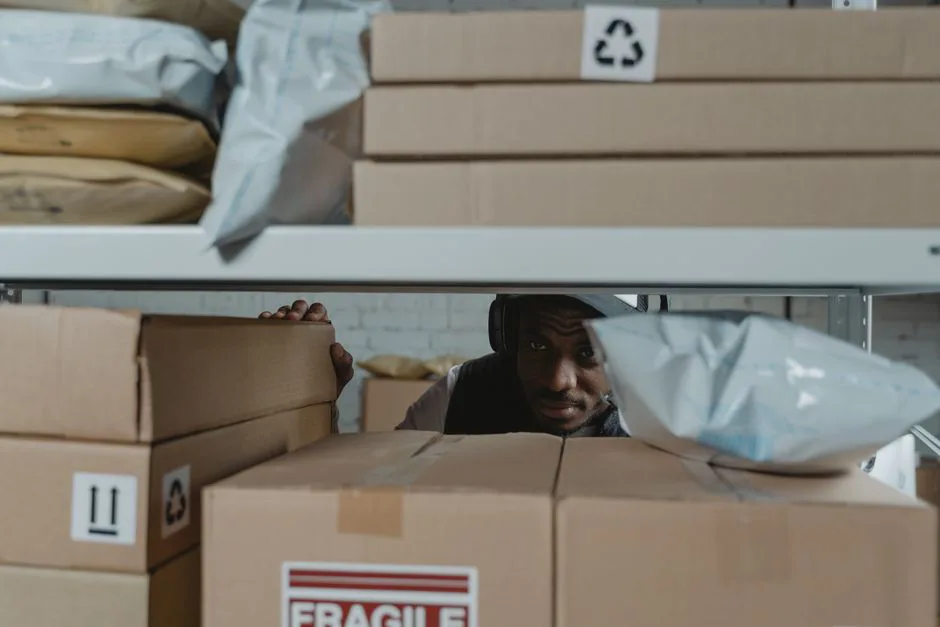
Damage-related returns tell you about packaging and route conditions. If you sell ceramics or fragile electronics, the return reason code will reveal whether your current box and cushioning materials survive the US-to-Mexico trip. If they do not, you can invest in better packing before the problem hurts your seller metrics. Obserway's Hidalgo, Texas warehouse, located in the border region, is part of the same network that moves goods quickly. When the US outbound leg is well executed, fewer items arrive damaged in the first place.
Customs-related returns deserve special attention. A buyer may reject a package because they were surprised by a fee or because clearance took too long. Obserway's same-day warehouse departure and customs clearance capability, when applied to eligible shipments, reduces the risk that a customs delay becomes a return reason. The company's operational record allows packages to leave the US warehouse and clear customs in the same day, which is not a vague aspiration but a documented part of how the facility works.
Finally, sourcing teams can use return data to make better purchasing decisions. If a specific supplier is responsible for 40% of your defect-related returns, you have evidence to switch vendors or negotiate better quality control. If a product returns mainly for size issues, you might add size charts, customer photos, or more detailed measurements to the listing. None of these improvements require expensive surveys. They emerge from the return stream you already own.
Return-to-Origin vs Local Restocking: A Cost Comparison
Every US seller shipping to Mexico eventually faces the same question: should a returned product come all the way back to the US, or can it be handled locally in Mexico? The answer has a huge effect on margins.
Return-to-origin seems simple until you add up the costs. You pay for the return leg back to the US, sometimes at rates higher than the original outbound shipment. You wait for customs and logistics to complete the reverse crossing. You pay for a second receiving and inspection event. Then you pay to ship the item out again if you sell it to another buyer. Sector analyses put the average cost of processing one return between 10 and 65 dollars, and that estimate usually assumes domestic logistics. Cross-border returns can quickly exceed that range because of freight, brokerage, and handling fees.
Local restocking in Mexico works differently. The customer's return goes to Obserway's Monterrey warehouse, which is designed to inspect, refresh, store, and reship products. If the item is sellable, it can be listed back into your Mexican inventory immediately. If it needs prep work for Amazon FBA or FBM, the warehouse can handle that preparation too. Storage is part of the service, so you are not rushing to dispose of an item just because you do not have a local warehouse.
When you compare the two models side by side, the local model wins on speed and cost in most scenarios. A product that returns in Monterrey can be available for the next Mexican customer within hours, not weeks. Obserway also operates a full returns system that goes from customer request to reinventory in under 24 hours for eligible items, which is a useful benchmark when you evaluate your own operation. For sellers who prefer a deeper walkthrough, the company's returns system guide explains the process step by step.
How Smart Returns Protect Your Amazon Account Health
Amazon does not judge sellers only by sales. Late refunds, unresolved return requests, negative feedback, and A-to-Z guarantee claims all contribute to the health of your seller account. When returns are stuck in transit or sitting in a mailbox on the wrong side of the border, those metrics deteriorate quickly.
A dedicated Mexico return address is one of the most direct ways to protect against this risk. Instead of telling a customer to ship a package to a US address, you can route the return to Monterrey. The parcel arrives faster, the customer gets a clearer path, and your team can issue a refund or send a replacement without waiting for an international reverse shipment to complete. Obserway's Mexico call center can also talk to buyers in their own language, which often prevents a frustrated customer from escalating to a claim.
When negative feedback does appear, Obserway supports sellers through the appeal process. The company can assist with submitting requests to Amazon to remove negative feedback or to address account violations. It is important to be clear: Amazon makes the final decision, and Obserway does not guarantee any specific outcome. What the company offers is process support, documentation, and a partner who understands what Amazon is looking for. If you need a broader view of protecting your account, the guide to Amazon account health in Mexico covers FBA and FBM sellers in detail.
From a practical standpoint, fast processing also reduces the number of open cases on your account. Obserway's average package processing time of 4 to 5 hours means your return queue does not pile up. Every hour a return sits unresolved is another hour your account health can be exposed. A local returns hub keeps that exposure low.
Step-by-Step: Building a Closed-Loop Returns Intelligence Workflow with Obserway
You do not need a giant operations department to turn returns into intelligence. A manageable six-step workflow can produce the same result.
Step one: centralize returns in Mexico. Replace scattered US mailbox addresses with Obserway's Monterrey warehouse. This single point of entry makes every subsequent step easier and removes the need for customers to navigate international return forms.
Step two: standardize inspection. Ask your warehouse partner to inspect every item for condition, completeness, and product authenticity. Obserway does this on your behalf, which means you do not have to hire local staff or set up a receiving line.
Step three: capture return reason codes. Make sure the team records why the customer returned the item. Size, damage, not as described, and other reason codes become the raw material for your product and listing improvements.
Step four: update inventory immediately. Use integrated tools like EasyCentral or MongerLab to move sellable items back into stock. A returned item sitting in a spreadsheet is not making money.
Step five: monitor your Amazon account health. Work with Obserway's support resources to respond to feedback, appeal violations, and reduce claims. Local call center support helps you address customer concerns before they become formal complaints.
Step six: review trends monthly. Look for patterns by SKU, reason code, and region. Adjust listings, packaging, and sourcing based on what the data tells you. Obserway's track record, including more than 99.8% operational success, gives you confidence that the logistics layer will not undermine your strategy.
Beyond Returns: Using Mexico Inventory Repositioning to Speed FBA Inbound
A Mexico warehouse is not only a return address. It can be a strategic staging point for your entire Mexico operation. If you sell on Amazon FBA, you know that sending inventory directly from the US to Mexican fulfillment centers can be slow and expensive. By positioning inventory in Obserway's Monterrey warehouse, you can move product closer to the demand while maintaining control over stock levels.
When a return is inspected and found sellable, it can be stored in Monterrey and later sent to Amazon FBA when you need to replenish. This reduces the need to ship product all the way back to the US only to send it down again. It also helps you avoid long-term storage fees that Amazon charges for inventory that sits too long in fulfillment centers. Your Mexico warehouse becomes a buffer between your supplier and Amazon, making your supply chain more flexible.
For FBM sellers, the benefit is even more direct. Obserway's Monterrey warehouse can store product and ship it directly to customers in Mexico. That means a returned item can be back in sellable inventory locally without ever leaving the country. The same warehouse handles storage, fulfillment, and returns in one flow, which supports the Obserway brand promise of one line and one flow.
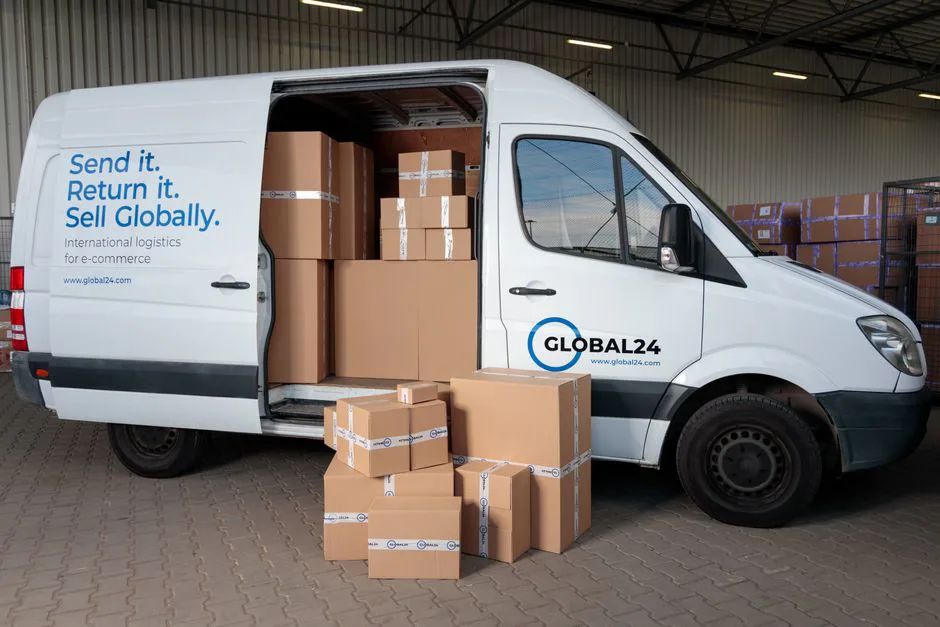
The US side of the network is equally important. Obserway's own Hidalgo, Texas warehouse is positioned near the border, and the company processes outbound packages and customs clearance on the same day for eligible shipments. When you combine fast US outbound with local Mexico returns, you create a closed loop that is difficult to replicate with multiple disconnected providers.
Frequently Asked Questions
What is the fastest way to process returns from customers in Mexico? Route them to a local Mexico warehouse instead of a US address. Obserway's Monterrey facility accepts returns and can process packages in an average of 4 to 5 hours, making it possible to inspect, restock, and reship product quickly.
Can returned items be resold in Mexico without sending them back to the US? Yes. Obserway's Monterrey warehouse is a full-function facility that handles receiving, inspection, storage, and fulfillment. If a returned product is in sellable condition, it can be restocked and shipped to the next customer without leaving Mexico.
Does Obserway guarantee that Amazon will remove negative feedback or violations? No. Obserway provides support with the appeal process and can help prepare submissions, but Amazon makes the final decision. No third party can guarantee an outcome with Amazon.
Do I need a US return address if I sell to Mexico? Not necessarily. The Hidalgo, Texas warehouse handles inbound shipments from sellers, while the Monterrey warehouse handles local returns. This lets you give customers a fast local return address and avoid expensive cross-border return shipping.
Can I connect my return workflow to EasyCentral or MongerLab? Obserway uses EasyCentral and MongerLab as part of its integration stack, which allows return status and inventory updates to move through your operational tools more efficiently and reduces manual entry.
What happens to an item that cannot be resold? Several options exist, including liquidation, local disposal, or controlled return to the US if the numbers make sense. Obserway helps you evaluate the economics for each product instead of forcing a single default action.
Turn the Return Stream into a Revenue Stream
Returns will always be part of cross-border e-commerce. The question is whether they will be a silent drain or a structured source of data and reusable inventory. By routing Mexico returns through Obserway's Monterrey warehouse, you gain local receiving, fast inspection, storage, reshipping, and the ability to turn return reasons into better listings and stronger account health.
Obserway already supports thousands of Amazon sellers and has delivered more than 500,000 packages with a 99.8% success rate. The company's Hidalgo, Texas warehouse and Monterrey, Mexico warehouse work as one connected system, with a Mexico call center to support your local customers. That combination is hard to build on your own.
If you are ready to stop treating returns as a loss and start treating them as intelligence, talk to Obserway today. The next returned box could be the data point that saves you thousands of dollars on your best-selling SKU. Build the loop with a partner who sees the entire line: one line, one flow.
About the Author
Robert Hayes — Warehouse & Fulfillment Operations Lead
Robert writes about Obserway's US warehouse receiving, fulfillment, and returns operations, walking through the practical steps from intake to returns processing.
Disclaimer: This article is for general information only and does not constitute legal or financial advice. For current, definitive guidance on customs, tax, or regulatory matters, consult official sources (Mexico's SAT, USMCA/USTR, Amazon Seller Central) or a qualified professional.