Inside Obserway's US Warehouse: How Same-Day Processing and Border Proximity Accelerate Mexico Fulfillment
Discover how Obserway's US warehouse in Hidalgo, Texas, located minutes from the Mexican border, enables same-day processing and customs clearance to accelerate cross-border fulfillment for Amazon and Shopify sellers.
Introduction: The Cross-Border Bottleneck
When you ship from the United States to Mexico, every hour your product sits in a warehouse is an hour your customer waits — and an hour your Amazon account health is at risk. For e-commerce sellers, the warehouse is not just storage; it is the launchpad for cross-border delivery. Yet most warehouses treat cross-border shipments as an afterthought, adding days of unnecessary delay. Obserway's US warehouse in Hidalgo, Texas, is built differently. Located just minutes from the border, it is designed to receive, process, and clear goods for Mexico in a single day — a speed that fundamentally changes the economics of cross-border e-commerce. This post takes you inside that facility to show how its design, location, and technology eliminate the bottlenecks that slow down most sellers.
The Location Advantage: Why Hidalgo, TX Is the Ideal Hub for Mexico-Bound Shipments
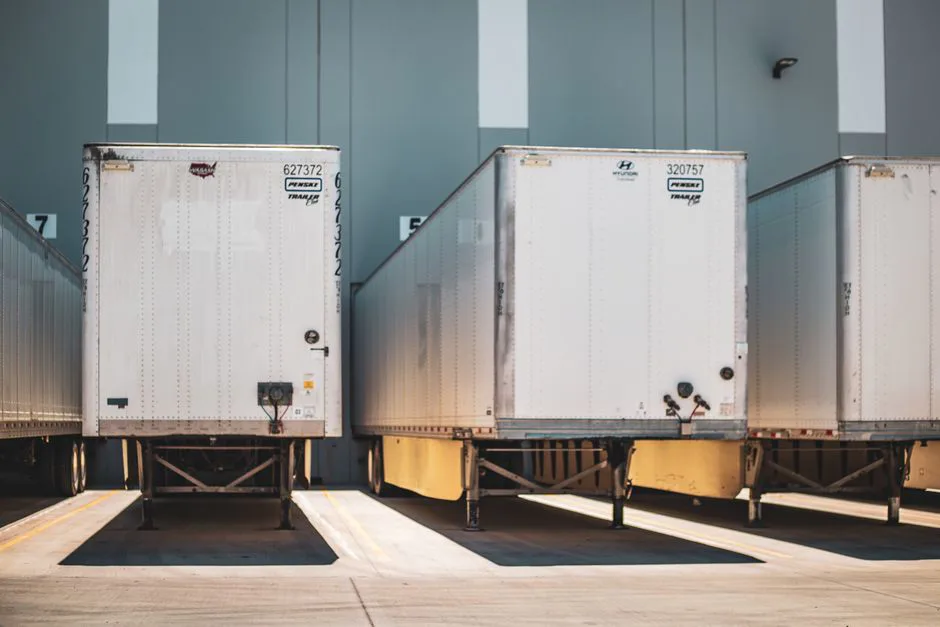
Obserway's US warehouse is located at 425 E. Coma Ave, Hidalgo, TX — a stone's throw from the Pharr-Reynosa International Bridge, one of the busiest commercial crossings on the southern border. This proximity is not accidental. It means that once a package is processed, it can be loaded onto a truck and cross into Mexico within hours, not days. Compare this to a typical US warehouse in Dallas or Houston, where a shipment must first travel 300–400 miles before even reaching the border. That extra transit time adds cost and risk, especially for time-sensitive Amazon FBM orders or FBA replenishments. The Hidalgo location also allows Obserway to run multiple daily truck runs, ensuring that packages cleared by the afternoon are on their way to Mexico the same evening. For sellers, this translates into faster delivery promises, fewer late shipments, and a healthier seller account. According to the U.S. Census Bureau, total US-Mexico trade reached $872.8 billion in 2025, with US exports to Mexico hitting $338 billion. A warehouse positioned at the busiest border crossing is essential for capturing a share of that flow.
Same-Day Processing: How Obserway Achieves What Most Warehouses Can't
Most fulfillment centers take at least 24 hours to pick, pack, and hand off a package to a carrier. Obserway does it differently: the company’s standard is to receive, process, and clear customs for qualifying shipments on the same day. While competitors average one day just for warehouse departure, Obserway completes both warehouse departure and customs clearance in the same day. This is possible because the warehouse operates as a mini hub-and-spoke for cross-border logistics: inventory is pre-sorted by destination and customs documentation is digitally prepared before the truck arrives. The average package processing time at Obserway is 4–5 hours — from dock receipt to loading onto a Mexico-bound truck. For FBM sellers, this means an order placed before noon can be in transit to Mexico before the business day ends, slashing delivery times from 7–10 days to 3–5 days. For FBA sellers, it means replenishment shipments reach Amazon MX fulfillment centers faster, reducing stockouts and long-term storage fees. The speed is not magic; it is the result of a deliberately designed workflow that treats each package as a time-sensitive cross-border transaction, not a domestic parcel.
Beyond Storage: The Full Range of Services at Obserway's US Warehouse
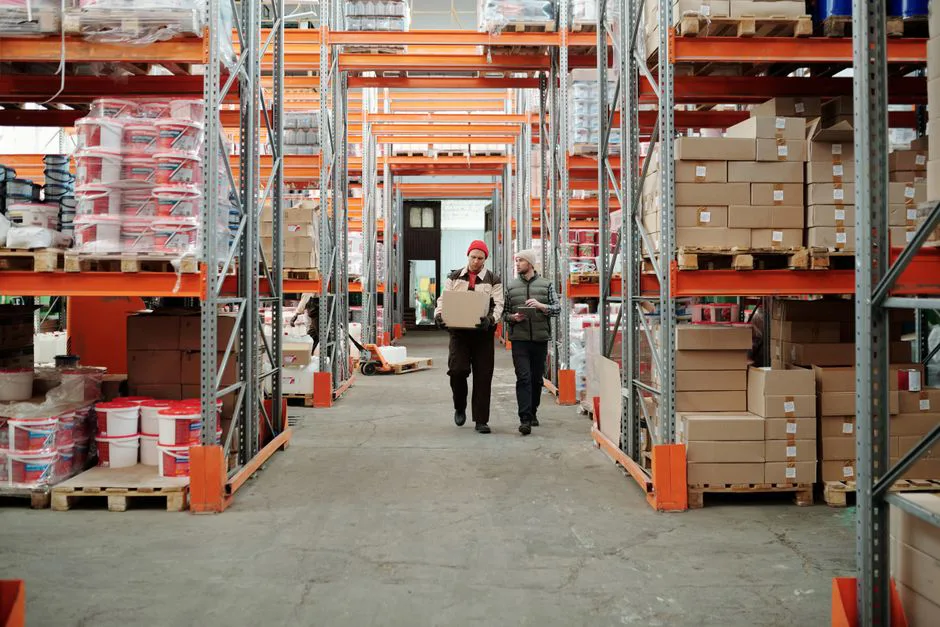
Obserway's Hidalgo facility is not just a storage space — it is a full-service fulfillment hub tailored for cross-border sellers. Services include: receiving and inspection (checking for damage, verifying SKUs, and updating inventory in real time); FBA prep (labeling, polybagging, box prep, and palletization according to Amazon's strict requirements); FBM fulfillment (picking, packing, and shipping directly to Mexican consumers); kitting and bundling; and quality control. The warehouse also offers short-term and long-term storage for sellers who want to position inventory near the border but delay customs clearance until demand materializes. Because the same facility handles both FBA and FBM orders, sellers can flexibly shift inventory between channels without moving products between warehouses. Additionally, the warehouse integrates with the same software platforms that connect to Obserway's Mexico and UK depots, so inventory data flows seamlessly across all three locations. This unified approach eliminates the operational silos that plague sellers who use separate US and Mexico warehouses.
The Technology Behind the Speed: Software Integrations and Tracking
Speed is not just about location; it is also about data. Obserway's US warehouse is fully integrated with the company’s proprietary platform, Obserway Panel, as well as third-party integrations like EasyCentral and MongerLab. When a shipment arrives at the US warehouse, it is immediately scanned and logged into the system. The Obserway Assistant Chrome extension and the seller dashboard provide real-time tracking from receipt to delivery. Sellers can see exactly where their inventory is — whether it is in the US warehouse, in transit to Mexico, or at the Monterrey depot — without logging into multiple accounts or making phone calls. The system automatically generates customs documentation, including the Electronic Value Manifest required by Mexico’s 2026 customs reforms. Because all data is centralized, there is no manual re-entry, and errors related to mismatched HS codes or incorrect values are drastically reduced. For sellers using MongerLab to automate product sourcing and listing, the integration ensures that inventory levels across US and Mexico warehouses are synchronized, preventing overselling and backorders. EasyCentral further streamlines order routing: an order placed on a Shopify store can be automatically pushed to Obserway's US warehouse for FBM fulfillment, with tracking numbers pushed back to the store. This technology stack transforms the warehouse from a passive storage location into an active node in a seller's automated logistics network.
How the US Warehouse Connects to the Mexico Warehouse for Downstream Fulfillment
Obserway's US warehouse is not an island — it is the first stage in a two-warehouse network that includes a full-service depot in Monterrey, Mexico. After packages clear customs and cross the border, they arrive at the Monterrey facility, which handles last-mile distribution, Amazon MX FBA handoff, and returns. The proximity of the US warehouse to the border means that the total transit time from US warehouse departure to arrival in Monterrey is typically less than 48 hours. This rapid handoff is critical for FBA sellers: products can be transferred to Amazon MX fulfillment centers quickly, reducing the time they spend in seller inventories and avoiding the 30+ day sea freight alternative. For FBM sellers, the Monterrey warehouse acts as a local dispatch center, enabling 2–4 day delivery across Mexico’s major cities. The two warehouses are linked by the same software, so inventory can be moved between them with a few clicks. Sellers can store bulk inventory at the Hidalgo warehouse and transfer smaller batches to Monterrey as demand warrants, avoiding the cost and risk of holding all stock in Mexico. This two-stage approach also provides a strategic buffer for returns: items returned by Mexican customers go to Monterrey, where they can be inspected, repackaged, and either sent back to the US warehouse or sold locally. The US warehouse, therefore, serves as both a gateway and a reserve — lowering overall inventory risk while speeding up delivery.
Navigating Customs: How the US Warehouse Prepares Packages for Smooth Clearance
Customs is the number one source of delays in US-Mexico cross-border e-commerce. Obserway's US warehouse mitigates this by handling all customs preparation in-house. When a shipment is received, the warehouse team verifies that each item meets the de minimis thresholds under USMCA: $50 for tax exemption and $117 for duty exemption. For shipments above those thresholds, the team prepares the required commercial invoices, certificates of origin, and customs bonds. The warehouse’s electronic manifest system is updated with the Mexico SAT’s Ventanilla Única (Single Window), which became mandatory in 2026. Because the warehouse pre-files customs data before the truck crosses, the actual border clearance can take as little as 30 minutes. This is a stark contrast to sellers who rely on separate customs brokers: those brokers often receive paperwork days late, leading to warehouse holds and penalty fees. By embedding customs expertise inside the warehouse, Obserway ensures that compliance is not a bottleneck but a seamless part of the same-day flow. Sellers never have to hire a separate broker or learn the intricacies of Mexican import regulations; the warehouse team handles everything.
Real-World Scenarios: How Different Seller Types Leverage the US Warehouse
Amazon FBM sellers: A seller offering kitchen gadgets on Amazon.com with Mexico-bound orders uses Obserway’s US warehouse to pick, pack, and ship directly to the customer. With same-day processing, the package is in Mexico within 2–3 days, matching Prime expectations without the cost of Prime membership in Mexico. The seller avoids the need for a local warehouse or expensive one-off carrier services.
Amazon FBA sellers: A seller with a popular electronics line replenishes Amazon MX stock every week. Instead of shipping directly to Amazon MX (which requires Mexican VAT registration and customs clearance), they send bulk units to Obserway’s US warehouse. The warehouse preps and labels the units to Amazon’s specifications, then clears customs and delivers to Amazon MX’s fulfillment centers. The seller maintains a single VAT registration in the US and relies on Obserway’s customs expertise.
Shopify dropshippers: A dropshipper running a store focused on Mexican consumers sources products from US suppliers. They use Obserway’s US warehouse as the consolidation point: suppliers ship to Hidalgo, the warehouse inspects and repackages with the store’s branding, then ships to the customer via the Mexico depot. The entire process, from supplier to customer, is transparent and trackable, eliminating the blind spots of typical dropshipping.
Hybrid sellers: A seller with both Amazon and Shopify stores uses Obserway’s integrated inventory to serve both channels from the same US warehouse. Inventory is automatically allocated based on real-time demand, and the warehouse’s software routes orders to the cheapest or fastest fulfillment path.
The Obserway Difference vs. Traditional Warehousing
Most US warehouses are designed for domestic fulfillment. They may be far from the border, slow to process international paperwork, and lack integration with Mexican carriers and customs. Obserway’s US warehouse is purpose-built for cross-border. Key differentiators include: (1) Location: Located at the border, not 500 miles away; (2) Speed: Same-day processing versus 1-day or more for competitors; (3) Customs readiness: In-house customs preparation and electronic filing; (4) Dual-warehouse network: Direct handoff to the Monterrey depot for last mile and returns; (5) Software integrations: EasyCentral, MongerLab, and the Obserway Panel provide unified visibility; (6) Service breadth: FBA prep, FBM fulfillment, storage, and returns under one roof. While a standard warehouse might cost less per square foot, the hidden costs of delays, lost sales, and Amazon penalties far outweigh the savings. Obserway’s facility is not just a warehouse — it is a cross-border operations center that turns time into a competitive advantage.
Frequently Asked Questions
1. How fast can I start shipping from Obserway’s US warehouse? Most sellers can start shipping within 24 hours of signing up. After creating an account and sending inventory to the Hidalgo address, the warehouse team begins processing within 4–5 hours of receipt. The onboarding process includes setting up integrations with your sales channels (Amazon, Shopify, etc.), which typically takes a few hours.
2. What types of products does the US warehouse accept? The warehouse accepts most general merchandise, including electronics, apparel, home goods, and beauty products. Hazardous materials, perishables, and oversized items may require special handling — contact Obserway for specifics. All products must comply with US and Mexican import regulations.
3. Do I need to register for Mexican taxes to use the warehouse? No. Obserway handles customs clearance and acts as the importer of record for qualifying shipments, particularly those under the de minimis thresholds. For larger shipments, you may need a Mexican tax registration (RFC), but Obserway can assist with the process or recommend a third-party partner.
4. Can I store inventory long-term at the US warehouse? Yes. The warehouse offers flexible storage options, from short-term staging to long-term warehousing. There are no long-term commitment requirements, and you can transfer inventory to the Monterrey depot or back to the US as needed.
5. How does the warehouse handle returns from Mexico? Returns from Mexican customers go to Obserway’s Monterrey depot, where they are inspected, sorted, and either restocked, repaired, or disposed. If the item needs to be returned to the US, it can be shipped back to the Hidalgo warehouse at your direction. The entire process is tracked in your Obserway dashboard.
6. What shipping carriers does the warehouse use for last-mile delivery in Mexico? Obserway partners with major Mexican carriers such as Estafeta, Redpack, and DHL Mexico, as well as Amazon’s delivery network for FBA shipments. The warehouse selects the best carrier based on speed, cost, and destination to ensure reliable delivery.
Conclusion: Turn Your US Warehouse Into a Cross-Border Advantage
Obserway’s US warehouse is more than a storage space — it’s the gateway to Mexico’s growing e-commerce market. By combining border proximity, same-day processing, in-house customs expertise, and seamless integration with a Mexico depot, it eliminates the delays and complexities that plague cross-border sellers. Whether you are an Amazon FBA seller replenishing stock, an FBM seller fulfilling direct orders, or a Shopify dropshipper consolidating inventory, the Hidalgo warehouse gives you the speed and control needed to compete. Move your logistics to Obserway and experience the difference of a warehouse built for cross-border success. Contact us today to set up your account or schedule a visit to our facility.
About the Author
Robert Hayes — Warehouse & Fulfillment Operations Lead
Robert writes about Obserway's US warehouse receiving, fulfillment, and returns operations, walking through the practical steps from intake to returns processing.