Obserway's Hidalgo, TX Warehouse: Inside the Cross-Border Fulfillment Hub That Processes and Clears Customs in One Day
Explore how Obserway's Hidalgo, TX warehouse—located directly on the US-Mexico border—enables same-day processing and customs clearance, integrates with the Monterrey facility, and provides Amazon FBA, FBM, and dropshipping sellers with a unified fulfillment solution.
Introduction: The Geography of Speed in Cross-Border Fulfillment
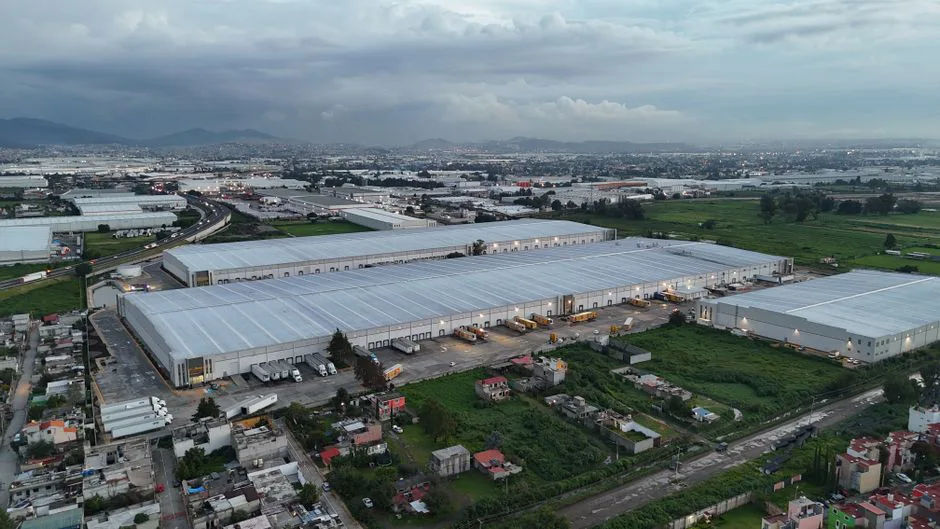
When you ship from the United States to Mexico, every mile and every hour matters. A warehouse located 10 miles from the border isn't just convenient—it can mean the difference between a two-day delivery and a five-day delay. For Amazon FBA, FBM, and dropshipping sellers, that difference directly impacts account health ratings, customer satisfaction, and repeat purchase rates. Obserway's Hidalgo, TX warehouse is built precisely for this: positioned at 425 E. Coma Ave in Hidalgo, Texas, less than a mile from the Pharr-Reynosa International Bridge, it serves as the launchpad for US-to-Mexico cross-border shipments. But location alone isn't enough. The real advantage lies in how this facility operates—receiving inventory, processing orders, and clearing Mexican customs all within the same day. That 'one line, one flow' promise is what sets it apart from every other US warehouse serving the Mexican market.
Why Warehouse Location Matters for US-Mexico Fulfillment
The numbers tell a clear story. According to the U.S. Census Bureau, total US-Mexico goods trade reached $872.8 billion in 2025, with US exports to Mexico alone hitting $338 billion. That's a 1.2% increase from the previous year, and the trend shows no signs of slowing. For e-commerce sellers, this means more orders crossing the border—and more competition for fast, reliable delivery. The distance between your US warehouse and the Mexican border directly affects transit time, cost, and risk. A warehouse in Dallas, for example, adds roughly 500 miles of trucking to the border crossing, which translates to an extra day or more in transit before customs even begins. A warehouse in Chicago? Add two days. Then factor in customs clearance, which can take an additional 24 to 72 hours—or longer if documentation is incomplete. By contrast, a warehouse situated at the border essentially eliminates the pre-customs transit leg. Obserway's Hidalgo facility is within sight of the international bridge. That means packages move from the loading dock to the customs broker's desk in minutes, not hours.
Obserway's Hidalgo Warehouse: A Strategic Border Asset
Obserway's US warehouse is not just a storage space; it is a purpose-built cross-border fulfillment center. The facility covers thousands of square feet of secure, climate-controlled storage, with dedicated zones for inbound receiving, pick-and-pack, FBA prep, and cross-dock staging. Its location—425 E. Coma Ave, Hidalgo, TX 78557—places it directly on the US-Mexico border crossing corridor used by hundreds of commercial trucks daily. The warehouse operates 24/7, 365 days a year, which is critical for same-day processing. When a seller's inventory arrives at the receiving dock, it is logged into the system using Obserway's integrated software platform. The average handling time from dock-to-stock is under two hours. Once an order is placed (whether through Amazon, Shopify, or another channel), the pick-and-pack team moves immediately. The company's own data shows that Obserway processes an average package in 4-5 hours—from order receipt to departure from the warehouse. That's fast, but the real breakthrough comes next.
Same-Day Processing and Customs Clearance: How It Works
Most US warehouses can get a package out of the door in a day. The difference with Obserway is that same-day processing includes customs clearance. While competitors typically take one full day just to dispatch from the warehouse (leaving customs for the next day), Obserway completes both steps in a single operational cycle. Here's how the process unfolds step by step:
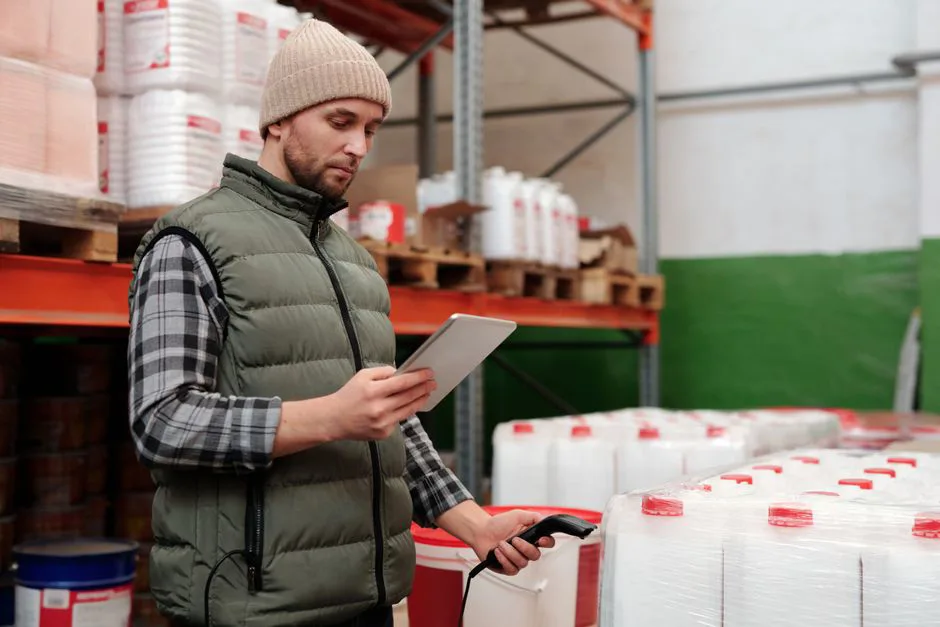
- Inbound Receiving: Inventory arrives at the Hidalgo dock, is scanned, and checked against the advanced shipping notice (ASN). Any discrepancies are flagged and resolved in real time. The system automatically updates inventory counts and notifies the seller via the Obserway panel.
- Storage or Cross-Dock: Products are either stored in the warehouse (for FBM or incoming Amazon FBA shipments) or prepped for immediate cross-docking to Mexico. For high-turnover SKUs, cross-dock routing is pre-configured.
- Order Processing: When an order hits the system, the picker receives a notification on a handheld scanner. The item is picked from its bin, packed into a branded or plain box (depending on the channel), and labeled with both the USPS/UPS label and the required Mexican customs documentation.
- Customs Documentation Preparation: Obserway's in-house customs team automatically generates the necessary documents: commercial invoice, packing list, and the newly required Electronic Value Manifest (effective June 1, 2026 per Mexican customs reforms). The system validates all fields to prevent rejection at the border.
- Dispatch and Clearance: The package is loaded onto a trailer that departs for the Pharr-Reynosa border crossing. Obserway's customs broker pre-files the entry electronically via the Ventanilla Única (Single Window) system. By the time the truck arrives at the crossing, clearance is often already granted—or, if inspection is required, the dedicated customs agent handles it on-site. From dispatch at the Hidalgo warehouse to the package crossing into Mexico takes, in many cases, under four hours.
This end-to-end flow is what allows Obserway to claim same-day processing and customs clearance. It's not theoretical; it's the standard operating procedure.
Integration with the Monterrey Warehouse: The Two-Warehouse Flow
Once a package clears Mexican customs, it enters Obserway's Mexico warehouse network. The primary node is the Monterrey facility—a full-function warehouse that handles delivery, returns, and storage. The Hidalgo and Monterrey warehouses operate as a single logical unit: inventory can be prepositioned in either location, and orders are routed to the closest point of fulfillment. For example, if a seller uses FBM to ship to a customer in Mexico City, the package can be flown or trucked from Monterrey directly—bypassing the border entirely. Alternatively, for FBA inbound, the Hidalgo warehouse prepares the shipment according to Amazon's FBA requirements (labeling, poly bagging, prep), then it moves across the border and is shipped to an Amazon fulfillment center in Mexico. The two-warehouse structure also simplifies returns: buyers send returns to the Monterrey warehouse, where items are inspected, refurbished if needed, and either restocked, returned to the US, or disposed of—all under one management system. That closed-loop capability is especially valuable for sellers with high return rates in categories like apparel or electronics. For more on how this returns process works, see our guide on handling Amazon FBM returns from Mexico.
Technology That Powers the Warehouse: EasyCentral and MongerLab Integration
Obserway's Hidalgo warehouse is not manually operated; it runs on a tech stack that automates the most error-prone parts of cross-border logistics. Two key integrations are EasyCentral and MongerLab. EasyCentral serves as the central inventory management hub, synchronizing stock levels across the Hidalgo and Monterrey warehouses, as well as with Amazon and Shopify stores. When a sale occurs, EasyCentral updates inventory in real time and triggers the pick-and-pack workflow at the correct location. MongerLab, on the other hand, specializes in order routing and automation. It handles rules-based decisions: for instance, if a product is low-stock in Monterrey but available in Hidalgo, MongerLab can automatically create a cross-border transfer order. It also integrates with shipping carriers to generate labels and tracking numbers. Beyond these platforms, the Obserway Assistant (a Chrome extension) gives sellers a direct view of warehouse operations: shipment status, inventory levels, and even the current processing queue. This transparency is critical for sellers who need to answer customer inquiries or manage Amazon's strict performance metrics.
How Obserway's Warehouse Differs from Traditional US Warehouses
To appreciate the advantage, it helps to compare a typical US warehouse that serves domestic customers only (or exports to multiple countries without specialization) against Obserway's Hidalgo facility:
- Proximity to Border: Most US warehouses are located near major cities like Los Angeles, Dallas, or Chicago. They add 500-2000 miles of domestic transit before the border. Obserway's Hidalgo warehouse is essentially right on the border.
- Customs Expertise: A generic warehouse will either expect the seller to handle customs or will contract a third-party broker with limited e-commerce experience. Obserway has an in-house customs team dedicated to US-Mexico shipments, with deep knowledge of the 2026 reforms (Ventanilla Única and Electronic Value Manifest).
- Integrated Two-Warehouse Strategy: Most warehouses operate independently. Obserway's Hidalgo and Monterrey facilities work as a pair, with seamless inventory transfer and unified order management through EasyCentral.
- Processing Speed: The industry standard for warehouse dispatch is 24 hours. Obserway averages 4-5 hours—and that includes customs preparation. This difference is documented in company performance data with over 500,000 delivered shipments.
- FBA Prep Capabilities: Many US warehouses offer FBA prep, but few have staff trained to handle the specific requirements of Amazon Mexico (barcode standards, packaging variations, prep guidelines for electronics, etc.). Obserway's workers undergo continuous training on Amazon Mexico's evolving rules.
For a broader view of how a cross-border warehouse network reduces delays, read how a US-Mexico cross-border warehouse cuts Amazon FBA & FBM fulfillment delays.
How This Warehouse Benefits Amazon FBA, FBM, and Dropshipping Sellers
Different selling models benefit in specific ways from the Hidalgo warehouse:
- Amazon FBA Sellers: By using the Hidalgo warehouse as a staging point, sellers can replenish Mexico fulfillment centers faster. Instead of sending small shipments from a remote US warehouse, they can consolidate inventory in Hidalgo and then move it across the border in bulk, reducing FBA inbound costs and avoiding long-term storage fees at Amazon Mexico. The same-day processing ensures that time-sensitive FBA restock orders don't get stuck.
- Amazon FBM Sellers: For FBM, speed is everything. A seller in the US who wants to offer competitive delivery times in Mexico can't rely on shipping from a distant US warehouse. The Hidalgo facility acts as a forward deployment center: inventory is already at the border, so once an order comes in, it can be processed and shipped to the Mexican customer within the same day. This helps meet Amazon's delivery promise without needing a Mexico warehouse for storage (although the Monterrey warehouse adds even more speed for last-mile delivery).
- Dropshipping Sellers (Shopify, Etsy, etc.): Dropshippers need a reliable partner that can receive, pack, and ship individual orders quickly. The Hidalgo warehouse's integration with EasyCentral and MongerLab allows for automated order import and routing. Sellers don't need to worry about customs documentation; Obserway handles it. And if a returns issue arises, the Monterrey warehouse provides a local return address—an essential feature for maintaining customer trust and reducing refund disputes.
Security, Compliance, and 24/7 Operations
Cross-border logistics involves sensitive data: customer addresses, payment information, and shipment details. Obserway's Hidalgo warehouse is SSL-encrypted and PCI DSS compliant, meaning your and your customers' data is protected during transmission and storage. The facility itself operates under 24/7 surveillance, with restricted access and inventory tracking at every stage. Additionally, because the warehouse is in the US, sellers don't need to register their business in Mexico to store goods there. All compliance with Mexican customs regulations is handled by Obserway's team, including the preparation of the Electronic Value Manifest for every shipment. This reduces the risk of costly penalties or shipment holds. The company also runs a Mexico-based call center that supports Spanish-language customer service, enabling quick resolution of any post-delivery issues. With over 2,000 Amazon sellers served and a 99.8% operational success rate, the system is battle-tested.
Frequently Asked Questions
1. Can I use the Hidalgo warehouse without also using the Monterrey warehouse?
Yes. The Hidalgo warehouse can function independently for US-based processing and border crossing. However, for Mexican returns, storage, or last-mile delivery, the Monterrey warehouse adds significant value. Most sellers find the two-warehouse combination more cost-effective in the long run.
2. How do I integrate my Shopify or Amazon store with the warehouse?
Obserway uses EasyCentral and MongerLab for integration. Your store's order feed is automatically pulled into the system. You can also use the Obserway Assistant browser extension to monitor operations. Setup typically takes under 48 hours.
3. What happens if my package is inspected at customs?
Obserway's in-house customs team is alerted immediately. They have personnel at the Pharr-Reynosa bridge who can handle physical inspections. The system is designed to keep delays minimal, but if a package is held, Obserway proactively updates the seller and works to resolve the issue.
4. What about returns? Do I need a separate return address in Mexico?
No. Your returns go to the Monterrey warehouse. Obserway receives them, inspects them, and either restocks, refurbishes, or disposes of them according to your instructions. You don't need a separate Mexican address.
5. What are the minimum volume requirements to use the warehouse?
There is no strict minimum. Small-volume sellers are welcome, but the system is best optimized for sellers with at least 100 orders per month. For very low volumes, cross-dock services might be more suitable than full storage.
6. How does the Hidalgo warehouse handle FBA prep for Amazon Mexico?
The warehouse team labels and preps products according to Amazon Mexico's guidelines, including barcode placement, poly bagging, and expiration date marking for perishable items. They also verify that packaging meets Amazon's strict standards before shipping to the fulfillment center.
7. Is the inventory in the Hidalgo warehouse eligible for US domestic fulfillment as well?
Yes. Because the warehouse is in the US, you can use it to fulfill orders to US customers too. This flexibility makes it a true dual-purpose asset.
8. Can I get a tour of the Hidalgo warehouse?
Obserway does not offer regular public tours, but for serious sellers with high volume, a virtual tour or on-site visit can be arranged by contacting the sales team.
Conclusion: Make the Border Your Advantage
The Hidalgo warehouse is more than a storage facility—it's a strategic lever for any US seller targeting Mexico. By cutting transit time, handling customs in-house, and syncing with the Monterrey warehouse, Obserway eliminates the fragmentation that typically slows down cross-border operations. Whether you're an Amazon FBA seller looking to reduce inbound costs, an FBM seller needing competitive delivery speeds, or a dropshipper who wants a single partner for the entire fulfillment chain, the Hidalgo warehouse is designed to deliver. Ready to see the difference a border-adjacent warehouse makes? Contact Obserway today to set up a consultation and get your first shipment moving.
About the Author
Robert Hayes — Warehouse & Fulfillment Operations Lead
Robert writes about Obserway's US warehouse receiving, fulfillment, and returns operations, walking through the practical steps from intake to returns processing.