From Return Hub to Profit Center: How a Full-Service Mexico Warehouse Transforms Your Dropshipping Operations
Discover how a full-service Mexico warehouse like Obserway's Monterrey facility does more than handle returns—it cuts costs, speeds up reinventory, and unlocks new revenue streams for US dropshippers selling to Mexico.
If you're a US-based dropshipper selling to Mexico, you've probably experienced the pain of returns. Products come back, you lose the shipping cost, and by the time they reach your US warehouse, their resale value has plummeted. Many sellers think a Mexico warehouse is just a place to receive returns—but that's only half the story. A full-service Mexico warehouse, like Obserway's facility in Monterrey, offers storage, local shipping, returns management, and even customer support. It transforms your return hub into a profit center by cutting costs, speeding up reinventory, and unlocking new revenue streams. In this guide, we'll show you exactly how to leverage a full-service warehouse to take your dropshipping business to the next level.
1. The Hidden Costs of Dropshipping to Mexico Without a Local Warehouse
Selling to Mexico without a local warehouse might seem cheaper at first, but the hidden costs quickly add up. According to the National Retail Federation's 2025 report, online sales have a return rate of 19.3%—meaning nearly one in five products comes back. For dropshippers, each return can cost $10 to $65 to process, depending on shipping, inspection, and restocking. But the biggest cost isn't the return itself—it's the lost opportunity. When a return travels back to your US warehouse, you lose days or weeks of potential resale time. Meanwhile, the product may be out of season or damaged. Without a local warehouse, you also face slower delivery times. Shoppers in Mexico expect fast shipping, and if you can't offer 2–3 day delivery, they'll bounce. Customer support becomes a headache too—time zone differences and language barriers lead to unresolved complaints and negative feedback that hurts your account health on platforms like Amazon or Shopify.
2. What Makes a Full-Service Warehouse Different from a Simple Return Hub
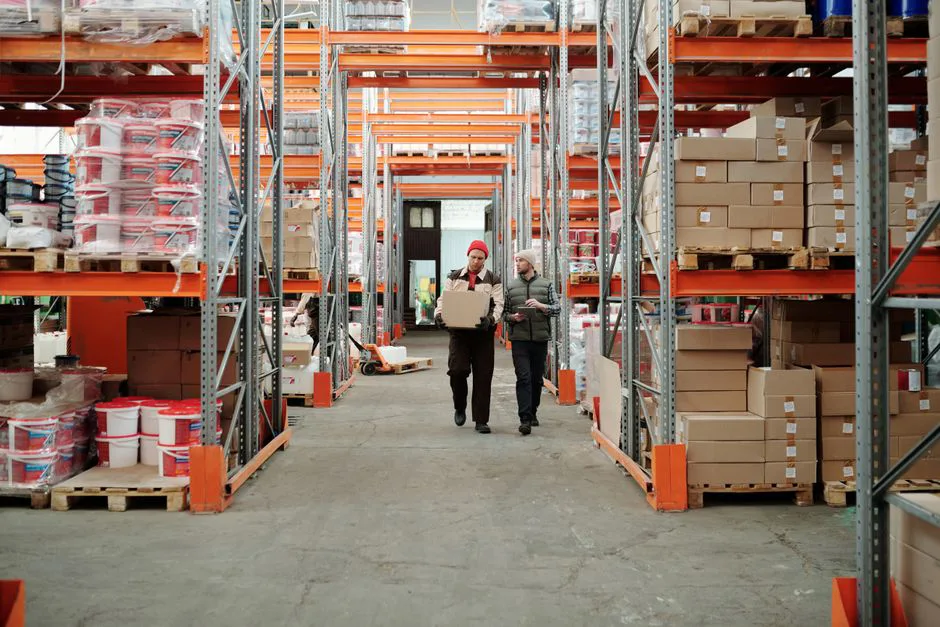
A simple return hub is just a drop-off point—it accepts returns and either stores them or ships them back to you. A full-service warehouse, on the other hand, is a complete logistics center. Obserway's Monterrey depot doesn't just accept returns; it offers storage, outgoing shipping, returns inspection, reinventory, and local customer support. This means you can store inventory locally, fulfill orders from Mexico in 1–2 days, and handle returns on-site. The warehouse is full-function: it's not just a return address—it's a distribution hub. With dedicated staff and integration with platforms like EasyCentral and MongerLab, your entire operation becomes seamless. You can even manage inventory across both your US warehouse (Hidalgo, TX) and the Mexico warehouse from a single dashboard.
3. How a Full-Service Mexico Warehouse Reduces Shipping Times and Costs
One of the biggest advantages of a full-service warehouse is the ability to preposition inventory near your customers. Instead of shipping every order from a US warehouse, you send bulk shipments to Obserway's Hidalgo facility (425 E. Coma Ave.), where they cross the border and arrive at the Monterrey warehouse—often within a single day thanks to Obserway's same-day processing and customs clearance. From there, last-mile delivery through local carriers can reach most Mexican cities in 1–2 days. This slashes delivery times, reduces shipping costs (local rates are lower than cross-border express), and lowers cart abandonment rates. The US Census Bureau reported that in 2025, US exports to Mexico reached $338 billion, a clear sign of growing trade; efficient logistics are key to capturing a share of that market.
4. Turning Returns into Revenue: The Reinventory Loop
The real magic of a full-service warehouse is the reinventory loop. When a customer returns an item, the Monterrey warehouse receives it, inspects its condition, and decides whether to restock it, refurbish it, or recycle it. Instead of shipping it back to the US, you can immediately relist it for sale on the Mexican market—Amazon, Mercado Libre, or your own Shopify store. This drastically reduces the time and cost of getting a returned product back on the virtual shelf. Obserway has handled over 500,000 deliveries with a 99.8% success rate, and this returns-to-revenue process is a key reason why their 2,000+ seller clients see healthier margins. With an average processing time of 4–5 hours, returns can be reinventoried and ready for resale within a single day.
5. Step-by-Step: Setting Up a Dual-Warehouse Dropshipping Workflow with Obserway
- Send inventory to Obserway's US warehouse (Hidalgo, TX). Your suppliers or bulk orders are received at this cross-dock facility, which is just minutes from the Mexican border.
- Cross-border transfer with customs clearance. Obserway handles all paperwork and uses their automated systems to move goods to the Monterrey warehouse—often on the same day they arrive.
- Store inventory in Monterrey. Your products sit in a secure, climate-controlled space, ready for local orders. You can monitor stock via the Obserway portal or integrations like EasyCentral.
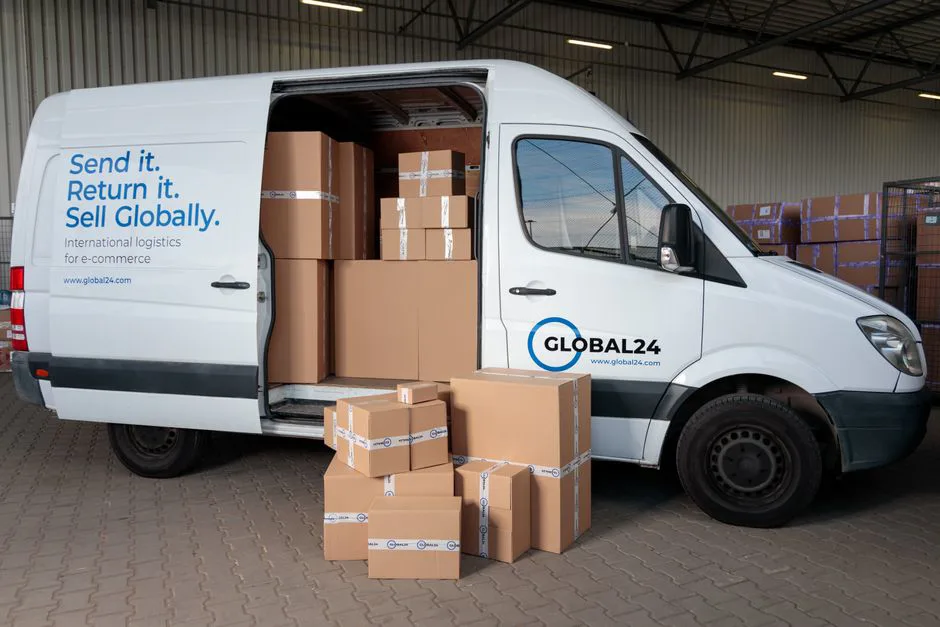
- Fulfill orders from Mexico. When a customer places an order, you can have it shipped directly from the Monterrey warehouse using local carriers, ensuring 1–2 day delivery.
- Handle returns locally. Returned items go to the Monterrey warehouse, where they are inspected and reinventoried. You decide whether to relist locally, send back to the US, or dispose of them.
- Scale with automation. Use MongerLab to automate order routing and inventory sync; Obserway's Chrome extension (Obserway Assistant) helps you manage shipments from your browser.
6. The Financial Impact: Comparing Costs with and Without a Full-Service Mexico Warehouse
Let's break down the numbers. Without a local warehouse, a typical return from Mexico to the US costs about $25 in shipping and takes 10–14 days. You lose the product's sellable life for that period, and often the returned item arrives damaged, forcing a write-off. With a full-service Mexico warehouse, the return is handled locally for roughly $10–15, and the item can be back on the market in 48 hours. Additionally, storing inventory in Mexico for popular items reduces per-unit shipping costs by 20–30% compared to cross-border shipping from the US. According to the National Retail Federation, retailers collectively lost $849.9 billion to returns in 2025—a figure that highlights the importance of efficient returns management. By cutting return costs and accelerating reinventory, you directly protect your profit margins.
7. Beyond Logistics: Local Customer Support and Account Health Protection
Full-service warehousing isn't just about physical goods—it's also about customer experience. Obserway's Mexico-based call center handles inquiries in Spanish, resolving issues like lost packages, delivery delays, or product questions. This local support reduces the burden on your own team and helps maintain high seller ratings. On Amazon, negative feedback and policy violations can jeopardize your account. Obserway offers assistance with removing negative feedback and handling violation appeals—though they don't guarantee Amazon's decision, their expertise increases your chances of a favorable outcome. Having a local partner who understands Mexican regulations (including the 2026 Electronic Value Manifest requirements) also helps you avoid customs-related delays that could lead to poor customer experience.
8. Why Shopify and Etsy Dropshippers Need a Full-Service Warehouse
While many guides focus on Amazon FBA sellers, Shopify and Etsy dropshippers face the same cross-border challenges. With a full-service warehouse, you can offer fast delivery, manage returns without tapping into your own storage space, and provide local customer support. Integration with EasyCentral allows you to sync inventory between your store and both US and Mexico warehouses automatically. This means you can sell on multiple channels and have a single source of truth. For Shopify dropshippers, the ability to hold stock in Mexico opens up new product categories that are sensitive to shipping time (e.g., perishables, electronics). It also reduces the risk of stockouts because you can shift inventory between warehouses based on demand. In short, a full-service warehouse is a competitive advantage that sets your store apart from other dropshippers who rely on slow, US-only fulfillment.
Frequently Asked Questions
What is the difference between a full-service Mexico warehouse and a return hub?
A return hub only receives returned items; a full-service warehouse like Obserway's Monterrey facility also offers storage, outgoing shipping, and returns reinventory. It acts as a complete logistics center, allowing you to store inventory locally, fulfill orders, and turn returns into revenue without shipping everything back to the US.
How does Obserway's same-day processing work?
When inventory arrives at the Hidalgo warehouse, it is processed and cleared through customs on the same day—a feat that competitors typically take an extra day to complete. This speed is possible because of Obserway's streamlined customs procedures and proximity to the border. The goods then move to the Monterrey warehouse, often within 24 hours.
Can I store inventory in the Mexico warehouse for long periods?
Yes, the Monterrey warehouse offers long-term storage. Whether you need to hold seasonal stock or buffer inventory for slow-moving items, you can store products at competitive rates. This is especially useful for Amazon FBA sellers who want to avoid long-term storage fees by keeping excess inventory in a lower-cost facility.
How are returns inspected and reinventoried?
Once a return arrives at Monterrey, staff inspect the item for damage, check functionality, and grade it. Depending on your instructions, they either restock it as new (if unopened), refurbish it, or route it to liquidation. The processed item is then re-entered into your inventory system via the Obserway portal or integrated software like EasyCentral.
Does Obserway handle customs paperwork for my shipments?
Yes, Obserway manages all customs documentation for cross-border transfers. They stay updated on Mexican regulations, including the new Electronic Value Manifest required from June 2026, ensuring your goods clear smoothly without delays. This service is included in their standard fulfillment offering.
How does local customer support help my business?
Obserway's Mexico call center handles customer inquiries in Spanish, reducing response times and improving satisfaction. This local support helps resolve issues like lost packages or delivery problems quickly, which decreases the chance of negative feedback and chargebacks. It also lets you focus on growing your business rather than fielding support tickets at odd hours.
Conclusion
Dropshipping from the US to Mexico doesn't have to be a logistics nightmare. By partnering with a full-service Mexico warehouse like Obserway, you can reduce shipping times, slash return costs, and turn returned products into revenue. The combination of local storage, fast fulfillment, reinventory capability, and local customer support creates a seamless operation that protects your margins and improves customer experience. Ready to turn your return hub into a profit center? Contact Obserway today to set up your dual-warehouse dropshipping solution. For more insights, read our guide on how to choose a dropshipping warehouse for Mexico: 7 non-negotiable features.
About the Author
Robert Hayes — Warehouse & Fulfillment Operations Lead
Robert writes about Obserway's US warehouse receiving, fulfillment, and returns operations, walking through the practical steps from intake to returns processing.