Dual-Country Warehousing: How US Amazon Sellers Cut Inventory Risk and Speed Up Mexico Delivery
Discover how a dual-country warehousing model (US border warehouse + Mexico facility) helps Amazon sellers reduce inventory risk, speed up delivery, and simplify returns when selling to Mexico.
The Challenge of Selling to Mexico from the US
For Amazon sellers looking to expand into Mexico, the logistics equation is deceptively complex. You have to decide where to store your inventory: keep everything in a US warehouse and ship each order cross-border, or pre-position stock in Mexico. The first option risks long delivery times and high per-shipment costs. The second exposes you to inventory risk if products don't sell or get returned. According to the National Retail Federation's 2025 report, online returns average 19.3% — and that number can be higher for cross-border sales. Without a smart warehouse strategy, sellers end up paying for storage in two countries, writing off unsold goods, or scrambling to reroute returns. There is a better way: a dual-country warehousing model that combines a US warehouse on the border with a full-function Mexico facility. This approach lets you keep inventory in the US until orders come in, then dispatch and clear customs on the same day — drastically reducing risk while meeting Amazon's fast delivery expectations.
The Cost of Holding Inventory in Mexico Without a Dual Strategy
Imagine you ship a container of electronics to a Mexico warehouse, expecting strong demand. After three months, only half the stock has sold. The remaining units now carry storage fees, and if you want to return them to the US, you'll pay duties and freight again. Worse, if the products are seasonal or have a short lifecycle, you may have to discount heavily or write them off. According to US Census Bureau data, US-Mexico trade reached $872.8 billion in 2025, but with that scale comes complexity: customs delays, changing regulations, and the risk of lost or damaged goods. A single-warehouse strategy forces you to commit inventory to Mexico upfront, tying up capital and increasing exposure. This is where a US-Mexico dual-warehouse model shines. By keeping the bulk of your inventory in a US warehouse (like Obserway's Hidalgo, TX facility) and using a Mexico warehouse for fast delivery and returns, you retain control. You only move products to Mexico when there's confirmed demand — either through an order or a planned replenishment. This reduces inventory carrying costs and write-off risk dramatically.
How a Border-Located US Warehouse Eliminates These Risks
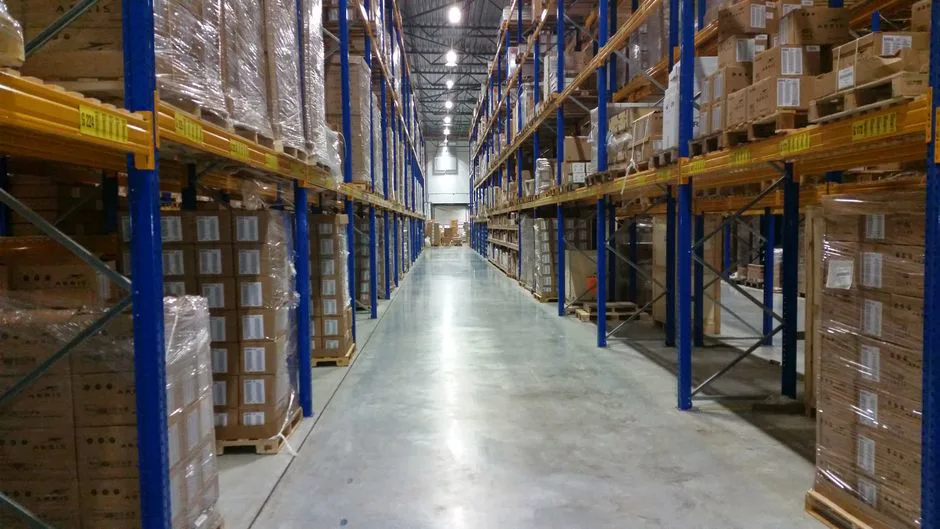
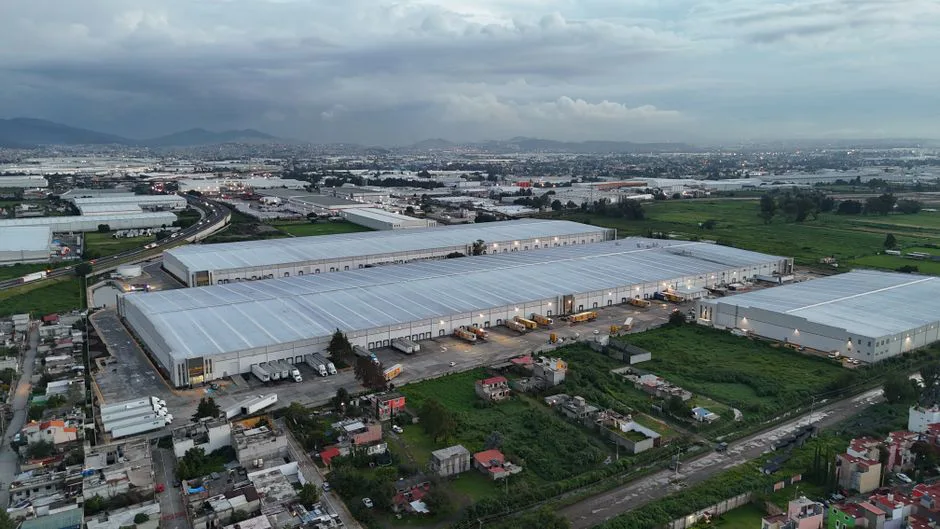
Obserway's US warehouse is located in Hidalgo, Texas — literally minutes from the Mexico border. This location isn't accidental. It enables a unique operational capability: same-day dispatch from the US warehouse and same-day customs clearance. While competing warehouses typically take one full day just to process an order out of the door, Obserway completes both steps in a single day. According to Obserway's operational data, average package processing time is 4-5 hours. This means that when an Amazon order comes in from a Mexican buyer, the product can leave the Hidalgo warehouse, cross the border, and be in the customs pipeline within hours — not days. For sellers using FBM (Fulfillment by Merchant), this speed directly impacts delivery promises and account health. For those using FBA, the same speed helps you replenish Mexico FBA stock without over-committing inventory. The key benefit is that you don't need to pre-hold stock in Mexico. You can keep your inventory safe and accessible in the US, and only send what you sell. This dramatically lowers your inventory risk while maintaining fast delivery to Mexican customers.
Why a Full-Function Mexico Warehouse Matters
Having a warehouse in Mexico solely for returns is useful, but Mexico's e-commerce landscape demands more. Obserway's Monterrey depot is a full-function facility: it handles outbound fulfillment (for FBM and B2B orders), customer returns (inspection, refurbishment, re-stocking), and long-term storage. This means you don't need a separate forward warehouse and a separate returns center. The same location can receive returned goods, process them, and make them available for resale in Mexico or back in the US. According to Obserway's company facts, the Monterrey depot serves as both a shipping hub and a returns depot — a combined model that saves sellers time and money on intra-country transfers. For example, if a customer in Mexico City returns a defective gadget, it arrives at Monterrey. Obserway's team can inspect, repair if needed, and either relist it for sale in Mexico or consolidate it for return to the US. This closed-loop process reduces the time a product sits in limbo and speeds up its journey back to revenue. Without such a facility, sellers would need to arrange cross-border returns themselves — a costly and slow process.
Step-by-Step: How a Typical Cross-Border Shipment Moves Through the Dual-Warehouse Model
Let's walk through a real scenario. A US Amazon seller uses Obserway's US warehouse in Hidalgo to store 1,000 units of a kitchen appliance. Here's how the dual-warehouse model operates:
- Customer orders on Amazon.com.mx (FBM). The seller's system receives the order and sends it to Obserway's API.
- US warehouse picks and packs. Within 4-5 hours, the item is labeled, packed, and scanned for dispatch. Since the warehouse is on the border, the package is trucked to the customs clearance facility in the same day.
- Same-day customs clearance. Obserway's in-house customs team files the necessary documentation (including the new Electronic Value Manifest required by Mexico's 2026 customs reforms). The package clears customs the same day it leaves the warehouse — an industry rarity.
- Cross-border trucking to Monterrey. The cleared package travels overnight to the Monterrey depot, arriving the next morning.
- Final delivery to customer. From Monterrey, the package is shipped via last-mile carriers to the buyer's address, typically delivering in 2-4 days total from order.
- Returns (if applicable). If the customer returns the item, it goes to the Monterrey warehouse. Obserway inspects it, determines whether to restock, repair, or liquidate. The product can then be sold again in Mexico or shipped back to the US warehouse for another channel.
This end-to-end process is managed through a single interface — Obserway's tracking system and integrated software (EasyCentral and MongerLab). The seller never needs to talk to multiple carriers or brokers.
Comparing Single-Warehouse vs. Dual-Warehouse Approach for Mexico
To highlight the advantages, here is a comparison between a typical single-warehouse model (just one US warehouse shipping directly to Mexico) and the dual-warehouse model (US border warehouse + Mexico warehouse).
- Inventory Risk: Single-warehouse: Low for US inventory but may force pre-shipment to Mexico which increases risk. Dual-warehouse: Extremely low because inventory stays in US until sold; Mexico only holds returns and short-term stock.
- Delivery Speed to Mexico: Single-warehouse: 5-10 days due to longer shipping and customs. Dual-warehouse: 2-4 days because US border warehouse expedites dispatch and customs, and Mexico warehouse provides last-mile hub.
- Returns Handling: Single-warehouse: Complicated — returns must cross back to US, or seller needs a separate Mexico returns address. Dual-warehouse: Seamless — returns go to Monterrey, can be processed and resold in Mexico without international shipping.
- Customs Compliance: Single-warehouse: Seller must handle Mexico customs documentation each time; risk of errors leading to delays. Dual-warehouse: Obserway's in-house team manages customs as part of the service; same-day clearance reduces risk.
- Operational Complexity: Single-warehouse: Low upfront setup, but high day-to-day management of multiple carriers and customs brokers. Dual-warehouse: Higher initial setup, but streamlined operations with a single partner.
- Account Health Impact (Amazon): Single-warehouse: Higher risk of late deliveries due to customs delays, leading to negative feedback. Dual-warehouse: Faster, more reliable delivery helps maintain health metrics; Obserway also offers feedback removal support.
For most sellers, the dual-warehouse approach reduces total cost and operational burden, especially for those doing significant volume in Mexico.
How Integrated Software Bridges the Two Warehouses
Managing inventory across two countries without integrated software would be a nightmare. Obserway's platform integrates with EasyCentral and MongerLab — two software solutions that allow real-time inventory synchronization, automated order routing, and seamless communication between the US and Mexico warehouses. For instance, when a sale occurs on Amazon or Shopify, the system automatically determines whether to fulfill from the US warehouse or from Mexico warehouse (if there is pre-positioned stock). It then generates the necessary labels, customs documents, and tracking updates. This automation reduces manual errors and speeds up order processing. The Obserway Assistant (a Chrome extension) further simplifies tracking and returns management. For sellers who use multi-channel platforms, these integrations ensure that stock levels are accurate across all sales channels, preventing overselling or stockouts. The unified dashboard gives a single view of all inventory, whether in Hidalgo or Monterrey.
Real-World Cost Savings: Lower Inventory Carrying Costs and Fewer Write-Offs
The financial impact of this model is substantial. According to industry analyses (2025-2026), processing a single return can cost $10-$65. With online return rates at 19.3% (NRF 2025), a seller with $500,000 in annual revenue could lose up to $6,500 in return processing costs, not counting lost inventory value. Add to that the cost of holding inventory in Mexico: storage fees, insurance, and the risk of obsolescence. By keeping most inventory in the US and only sending to Mexico what is sold, sellers save on Mexico storage fees and reduce the volume of returns that need to cross the border. For example, if a seller previously kept $100,000 worth of inventory in a Mexico warehouse, moving to a dual-warehouse model could cut that to $20,000 (for fast-moving items), freeing $80,000 in cash flow. Additionally, same-day dispatch and customs clearance mean inventory turns faster — reducing the time products spend in transit and in customs limbo. This directly improves cash conversion cycle. The combination of lower inventory risk, faster returns processing, and reduced shipping costs often results in a measurable improvement in profit margins for cross-border sellers.
Frequently Asked Questions
- What is a dual-country warehousing model for US-to-Mexico sales? It means using a US warehouse (on the border) and a Mexico warehouse together. The US warehouse holds most inventory; the Mexico warehouse handles last-mile delivery and returns. This reduces inventory risk and speeds up customs clearance and delivery.
- How does same-day dispatch and customs clearance work? Obserway's US depot in Hidalgo, TX processes orders in 4-5 hours and sends them to customs the same day. Because the warehouse is minutes from the border, goods cross and clear customs within hours — not days — thanks to Obserway's in-house customs team and the new electronic manifest system.
- Do I need to have inventory in the Mexico warehouse to offer fast delivery? Not necessarily. With same-day dispatch from the US border warehouse, delivery to most parts of Mexico takes 2-4 days — competitive with local fulfillment. However, for ultra-fast delivery (next-day), pre-positioning some stock in Monterrey is beneficial, and the dual model supports that flexibility.
- What if I only sell via Amazon FBA? The dual-warehouse model still helps. You can keep backup inventory in the US warehouse and replenish FBA Mexico quickly. Also, returns from FBA orders can be sent to the Monterrey depot for inspection and resale, which Amazon's standard FBA may not handle as efficiently.
- How does the returns process work in the Mexico warehouse? Customers return items to the Monterrey depot. Obserway inspects and grades the products. Working items can be restocked for resale in Mexico; defected ones can be repaired, liquidated, or shipped back to the US. The system automatically updates inventory levels across channels.
- Is there a minimum volume requirement to use this model? Obserway serves sellers of all sizes, from startups to enterprises. The rates are competitive, and the model scales with your volume. Contact their team to discuss your specific needs.
- What software integrations are available? Obserway integrates with EasyCentral and MongerLab, plus offers a Chrome extension (Obserway Assistant) for easy tracking. These tools sync inventory between warehouses and automate order routing and customs documentation.
Conclusion: Cut Risk, Speed Delivery, and Simplify Operations
Expanding to Mexico doesn't have to mean taking on inventory risk or dealing with customs headaches. By adopting a dual-country warehouse model — with a US border warehouse and a full-function Mexico depot — you can keep your inventory safe, dispatch orders the same day, and handle returns efficiently. Obserway's proven track record (over 500,000 successful deliveries, 99.8% success rate) and integrated software make this model accessible even for smaller sellers. If you're ready to move beyond the single-warehouse struggle and build a resilient cross-border operation, contact Obserway for a consultation. Your Mexican customers will thank you — and so will your bottom line.
About the Author
Robert Hayes — Warehouse & Fulfillment Operations Lead
Robert writes about Obserway's US warehouse receiving, fulfillment, and returns operations, walking through the practical steps from intake to returns processing.