Dropshipping from the US to Mexico: How a Two-Warehouse Strategy Reduces Costs and Speeds Delivery
Discover how a two-warehouse strategy using Obserway's US and Mexico facilities can overcome the common pain points of dropshipping from the US to Mexico: customs delays, tracking gaps, and returns headaches. This guide explains the logistics flow, cost benefits, and step-by-step implementation.
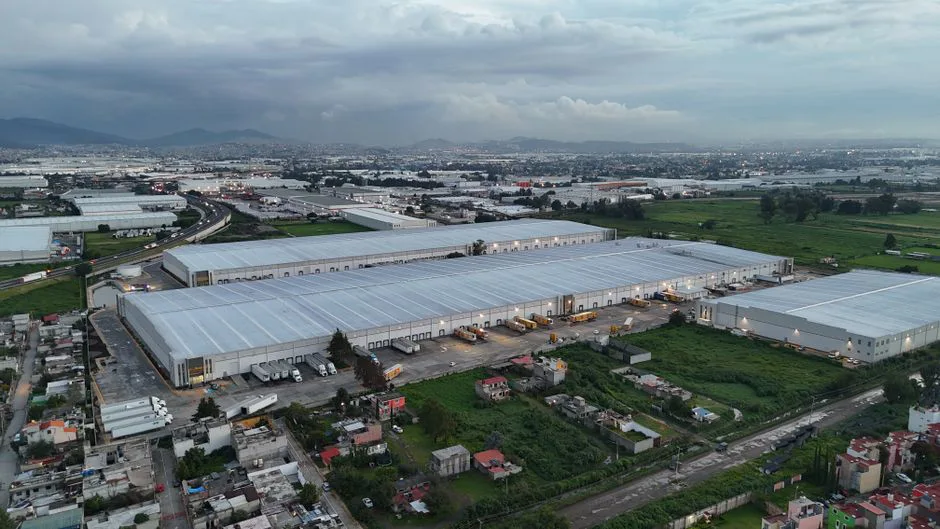
Dropshipping from the United States to Mexico offers immense opportunities for Amazon sellers, but logistics often become a bottleneck. The traditional model—ordering from a supplier, shipping directly to the customer across the border—leads to long delivery times, tracking gaps, and customs delays that hurt conversion rates and account health. A smarter approach is a two-warehouse strategy: using a US warehouse near the border for rapid processing and a dedicated Mexico warehouse for local fulfillment and returns. Obserway operates both a US warehouse in Hidalgo, Texas, and a full-function warehouse in Monterrey, Mexico, enabling sellers to consolidate inventory and automate the cross-border flow. This article explains how this model works, why it outperforms single-location dropshipping, and how you can implement it to scale your business.
1. The Limitations of Single-Location Dropshipping to Mexico
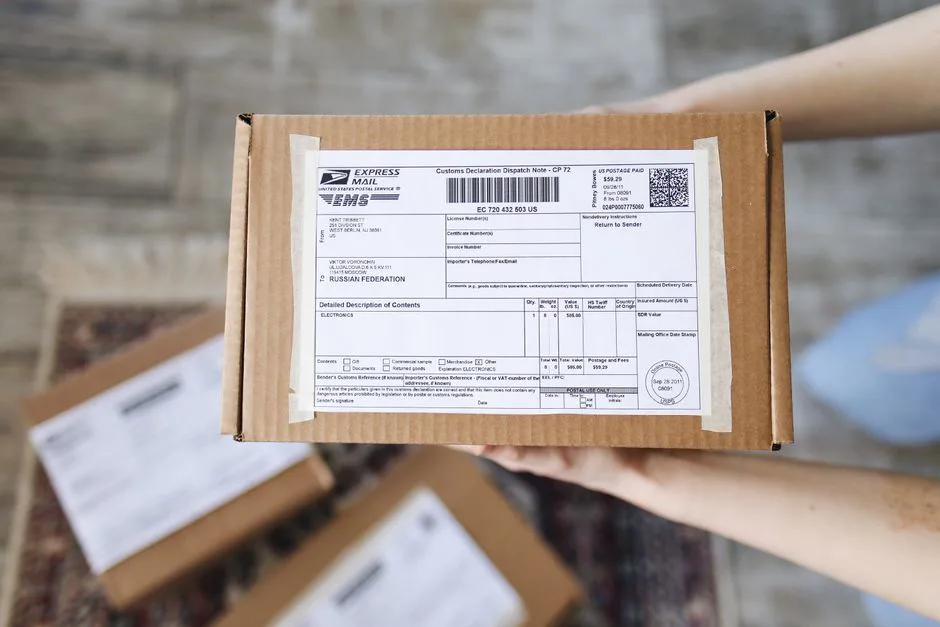
Pure dropshipping from US suppliers to Mexican customers sounds simple, but it introduces several inefficiencies. First, each order must cross the border individually, which means customs clearance for every single package. While the de minimis threshold allows packages under $50 to enter duty-free under USMCA (with $117 duty-free), many products exceed these values, triggering formal entry processes that add days. Second, tracking often breaks when the package is handed off to a Mexican carrier, leading to customer anxiety and increased claims. Third, returns become nightmares—without a local return address, you either accept losses or ask customers to ship back to the US, which is costly and slow. According to the National Retail Federation's 2025 report, online returns average 19.3%, and without local infrastructure, each return can cost $10–65. These pain points erode margins and Amazon account health metrics like late delivery rate and order defect rate.
2. The Two-Warehouse Strategy: US Hub + Mexico Hub
Instead of shipping from a single US location, a two-warehouse strategy pre-positions inventory in both countries. The US warehouse (e.g., Obserway’s facility in Hidalgo, Texas) serves as your primary receiving and consolidation point. When a customer in Mexico places an order, you transfer the item to the Mexico warehouse (Monterrey) either in bulk via cross-border truck before individual orders arrive, or individually after the order—but the key is that the Mexico warehouse handles last-mile delivery, returns, and storage. This model decouples the slow customs process from the final delivery. Bulk shipments moving between the two warehouses are processed under a single customs filing, reducing per-package delays. Obserway’s operational data shows that they can achieve same-day warehouse departure and customs clearance for bulk loads, a speed that traditional carriers cannot match because they consolidate at the depot for a full day before crossing.
3. How Customs Clearance Works in the Two-Warehouse Model
When inventory moves from the Hidalgo warehouse to the Monterrey warehouse, it is cleared through Mexican customs under a single entry. This entry covers all the products in that shipment, dramatically reducing paperwork compared to hundreds of individual clearances. Under the USMCA, many products originating from the US qualify for preferential tariff treatment—even beyond the de minimis thresholds. Obserway handles the entire customs process, including the new Electronic Value Manifest required since June 2026, as noted in Mexico’s 2026 Customs Law updates. The result: your inventory is legally in Mexico and ready to ship domestically within hours of crossing, not days. Once products are stored in Monterrey, fulfilling an Amazon FBM order becomes as simple as shipping from any Mexican warehouse—domestic delivery times drop to 1–3 business days, and tracking is fully visible.
4. Inventory Planning: Balancing Stock in Both Warehouses
The success of a two-warehouse strategy depends on smart inventory allocation. Not every SKU needs to be in Mexico. Use the US warehouse for high-volume or seasonal items that you can replenish quickly from suppliers, and keep your best-selling, low-risk items in Mexico for rapid fulfillment. Obserway’s integration with EasyCentral and MongerLab allows real-time visibility into stock levels across both warehouses, so you can set reorder points and automate transfers. For example, if a product sells out in Monterrey, the system can trigger a transfer from Hidalgo, which takes 1–2 days including customs. To avoid overstocking in Mexico, start with a 30-day supply and monitor sell-through rates. Because the Mexico warehouse offers both storage and return processing, unsold inventory can be returned to the US or liquidated locally without high cross-border return costs.
5. Handling Dropshipping Orders Through the Two-Warehouse Model
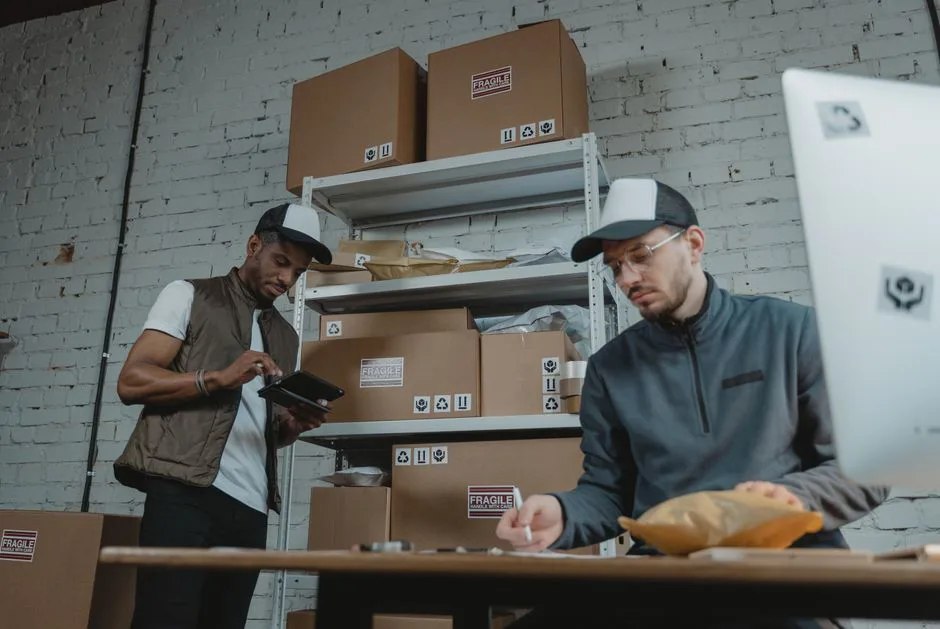
You can operate this model even if you don’t hold your own inventory—if your supplier ships to the US warehouse, you can still use the two-warehouse pipeline. Here’s a practical workflow: 1) Supplier sends products to Obserway’s Hidalgo warehouse. 2) Obserway receives, inspects, and labels them. 3) You decide to move the product to Monterrey (either preemptively or upon order). 4) A bulk customs clearance is executed, and the product arrives in Monterrey. 5) When a customer orders on Amazon, Obserway fulfills from Monterrey using a local carrier. 6) If the customer returns the item, it goes to Monterrey warehouse for inspection and restocking. The entire flow is managed through Obserway’s panel, with 7/24 support and a Mexico-based call center. This approach eliminates the tracking gap and returns headache typical of traditional dropshipping.
6. Cost Comparison: Two-Warehouse vs. Direct Dropshipping
While the two-warehouse model involves storage and transfer fees, it often reduces total cost per order. Direct dropshipping incurs higher per-package shipping due to cross-border rates, frequent customs brokerage fees for individual packages, and costly returns. According to industry analysis, processing a return can cost between $10 and $65 each. With a Mexico warehouse, returns are absorbed locally and can be resold domestically, sometimes at full price. Additionally, faster delivery improves conversion rates and reduces negative feedback. Obserway’s unified pricing includes storage, pick & pack, and customs brokerage—no hidden per-clearance fees. The net savings are especially pronounced for sellers with high order volumes or high return rates.
7. Step-by-Step: Implementing the Two-Warehouse Strategy with Obserway
Ready to set up the two-warehouse model? Follow these steps: (1) Create an account on Obserway’s platform and provide your inventory list. (2) Choose products to stock in the Hidalgo warehouse initially. (3) Ship your inventory to 425 E. Coma Ave, Hidalgo, TX (Obserway’s US warehouse). (4) Using Obserway Assistant or your integrated system, set rules for when to transfer to Monterrey (e.g., when product sells 10 units in a week, move 50 to Mexico). (5) Configure your Amazon FBM or Shopify store to use Obserway as the fulfillment source, with returns directed to Monterrey. (6) Monitor via the Obserway panel or EasyCentral/MongerLab. (7) Leverage Obserway’s account health services if you encounter negative feedback or policy violations—they assist with appeal preparation. Note: Obserway supports the appeal process but does not guarantee Amazon’s decision.
8. Risks and How to Mitigate Them
The two-warehouse strategy is not without risks. Overstocking in Mexico can tie up cash, especially if products are seasonal or have short lifecycles. To mitigate, use demand forecasting tools and start with a small test batch. Another risk is the new Mexican customs regulation requiring the Electronic Value Manifest; any mistake in documentation could cause delays. Obserway’s in-house customs expertise minimizes this risk—they manage the paperwork and stay updated on regulatory changes. Also, if you primarily use Amazon FBA, note that this model is optimized for FBM; for FBA, you would ship directly to Amazon’s Mexico fulfillment centers. However, Obserway can prepare FBA shipments (labeling, boxing) and deliver them to Amazon MX, combining the benefits of both worlds.
Frequently Asked Questions
1. Do I need to have inventory in both warehouses from day one?
No. You can start by shipping all inventory to the Hidalgo warehouse and only transfer to Monterrey after an order is placed. This is still faster than direct dropshipping because the customs clearance for the individual order can be done as part of a bulk transfer if you consolidate outgoing orders daily. As your volume grows, pre-stocking in Monterrey becomes more efficient.
2. How long does it take to get inventory from Hidalgo to Monterrey?
With Obserway, the transit time including customs clearance is typically 1–2 business days. The warehouse departure and customs crossing can happen on the same day if inventory is received and processed before cutoff. This is significantly faster than traditional carriers that hold shipments for consolidation.
3. What if a customer from Mexico returns a product? Can I resell it locally?
Yes. Returns go to Obserway’s Monterrey warehouse. After inspection, items in resellable condition are restocked and can be shipped to Mexican customers again. If the product is not suitable for the Mexican market, you can have it returned to the US or disposed of locally. This avoids expensive cross-border return shipping.
4. Is this model only for Amazon FBM, or can I use it for Shopify?
It works for any ecommerce platform where you control fulfillment, including Shopify, Etsy, and your own site. Obserway integrates with your store via API or dashboard. For Amazon, it’s especially effective for FBM but can also support FBA preparation and delivery to Amazon’s Mexico centers.
5. How do the new 2026 customs regulations affect my shipments?
Mexico now requires an Electronic Value Manifest for all imports, effective June 1, 2026. Obserway’s system automatically generates and files this manifest as part of the bulk transfer process, ensuring compliance and avoiding penalties. This is one reason to use a logistics partner that actively manages regulatory changes.
6. Can I use the two-warehouse model without a local warehouse in Mexico?
Obserway’s Monterrey warehouse acts as your local warehouse, so you don’t need to rent your own space. You simply pay for storage and fulfillment services. This gives you a local presence without the overhead of leasing and staffing a warehouse.
Conclusion
Dropshipping from the US to Mexico doesn’t have to be a headache of customs delays, lost tracking, and costly returns. By adopting a two-warehouse strategy with Obserway, you gain a reliable cross-border pipeline that moves inventory efficiently, handles customs in bulk, and provides a local base for fast delivery and returns management. The result: happier customers, healthier Amazon accounts, and a scalable business. Ready to streamline your dropshipping operations? Contact Obserway to set up your account and start leveraging our US and Mexico warehouses today.
About the Author
Sarah Bennett — Amazon Marketplace Operations Specialist
Sarah covers Amazon FBA/FBM seller operations and dropshipping workflows for the Mexico market, drawing on Obserway's operational perspective on the Amazon seller ecosystem.
Disclaimer: This article is for general information only and does not constitute legal or financial advice. For current, definitive guidance on customs, tax, or regulatory matters, consult official sources (Mexico's SAT, USMCA/USTR, Amazon Seller Central) or a qualified professional.