Dropshipping from the US to Mexico: How to Handle Customs Like a Pro in 2026
A comprehensive guide for dropshippers on navigating Mexico's 2026 customs reforms, including de minimis thresholds, required documents, automation, and how Obserway's same-day clearance from its border warehouse can simplify cross-border shipments.
The New Reality of US-to-Mexico Dropshipping
Dropshipping from the United States to Mexico is no longer a niche experiment—it's a thriving cross-border e-commerce channel. With Mexico now the largest trading partner of the U.S. (the U.S. Census Bureau reported $338 billion in U.S. exports in 2025) and online shopping penetration steadily rising, dropshippers are flocking to serve Mexican consumers. But there's a catch: customs. Every package crossing the border must clear Mexican customs, and 2026 brought a major regulatory shift that directly impacts how dropshippers operate. The new Electronic Value Manifest requirement, effective June 1, 2026, means your customs paperwork must be flawless or your shipments face delays, fees, or even confiscation. This guide walks you through the customs process for dropshipping from the US to Mexico, shows you how to leverage automation to stay compliant, and explains how a unified logistics partner like Obserway can clear your packages through customs the same day they leave the warehouse—right on the border.
Understanding Mexico's 2026 Customs Reforms
Mexico modernized its customs procedures in 2026 to increase security and streamline legitimate trade. The biggest change is the mandatory use of Ventanilla Única (Single Window) for all import and export filings. This digital portal centralizes documentation, but it also requires complete and accurate data submission before goods arrive. Additionally, as of June 1, 2026, all shipments must include an Electronic Value Manifest filed by the Mexican importer of record before entry. For dropshippers, this means you can no longer rely on a logistics provider to “figure it out” at the border. The importer—typically your customer or a designated customs broker—must pre-declare the value, origin, and description of each item. Failure to comply can result in holds, penalties, or even seizure. However, this reform also opens the door for automated solutions that integrate directly with Mexico’s customs system, reducing manual errors and speeding up clearance.
Essential Customs Documents for Dropshippers
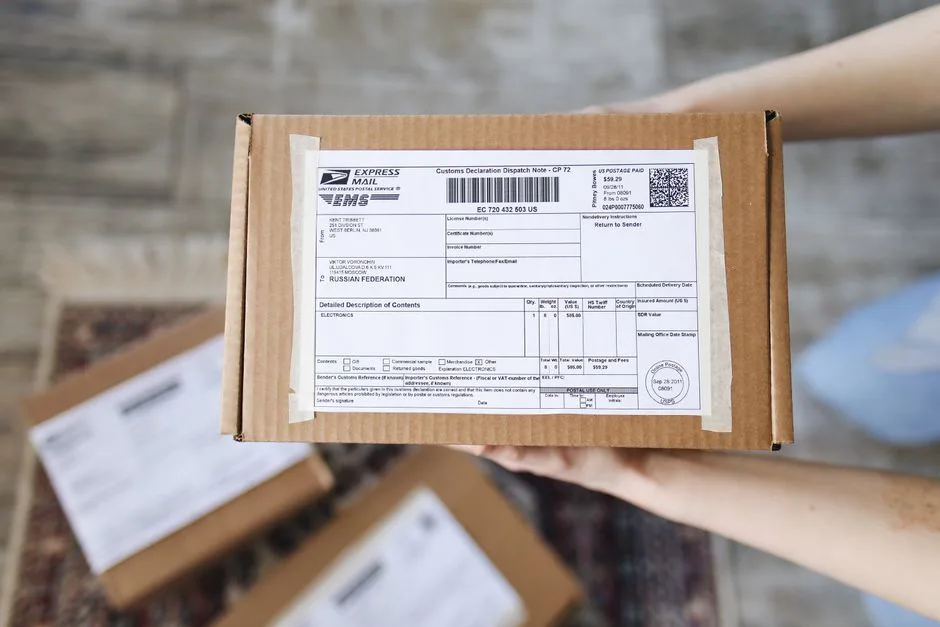
Every dropshipped package from the US to Mexico requires a standardized set of documents. Even though you’re shipping small parcels individually, Mexican customs expects the same accuracy as a full container load. Here are the must-haves:
- Commercial Invoice – Must include seller and buyer details, item description, HS code, quantity, unit value, and total value. For de minimis shipments (see next section), you still need an invoice, but customs may waive certain formalities.
- Bill of Lading or Air Waybill – The transport document that proves the shipment's route and carrier.
- Packing List – While not always mandatory, it speeds up inspection if required.
- Certificate of Origin (if applicable) – For goods originating in the US, Mexico, or Canada, a USMCA certification can reduce or eliminate duties. Many dropshipped products from US suppliers qualify, but you must have the certificate on file.
- Electronically Filed Manifest – The 2026 requirement: your customs broker or logistics partner must file the Electronic Value Manifest via Ventanilla Única before the goods arrive at the border.
Missing any of these documents is the #1 cause of customs delays. The good news? An integrated logistics partner like Obserway handles all paperwork digitally, ensuring every package has the correct documentation before it leaves the US warehouse.
De Minimis Thresholds: When Your Shipments Get Duty-Free Entry
Mexico’s de minimis rules under USMCA (T-MEC) allow small shipments to enter with simplified procedures. As of 2026, the thresholds are:
- Duty-free entry for goods valued up to $50 USD (value of the goods only, not including shipping).
- Tax-free entry (no VAT or customs processing fees) for shipments valued up to $117 USD.
If your dropshipped product’s value falls under these thresholds, customs clearance is generally faster and less costly. However, you still need to provide an accurate commercial invoice and the shipment must not be part of multiple packages that collectively exceed the threshold to avoid splitting rules. Many dropshippers optimize their product pricing to stay within these limits, but watch out: Mexican customs can reassess value if they suspect undervaluation. Using a reliable logistics partner ensures your declared values align with USMCA rules and you don’t inadvertently trigger penalties.
How Automation and Integrated Software Simplify Customs Compliance
Handling customs documentation manually for hundreds or thousands of individual dropshipping orders is a recipe for errors. This is where software integrations like EasyCentral and MongerLab become game-changers. These platforms connect directly to your e-commerce store (Shopify, Amazon, Etsy) and automatically generate the required customs data for each order. Obserway’s platform also integrates with these tools, so when an order is placed, the commercial invoice, HS classification, and electronic manifest are created and filed before the package even reaches the border. This automation reduces customs hold rates dramatically and ensures compliance with the 2026 Electronic Value Manifest requirement. For dropshippers, this means you can focus on marketing and product selection while the software handles the compliance headache.
Step-by-Step: How Obserway Gets Your Dropshipping Packages Through Customs in One Day
One of Obserway’s proven operational advantages is that it completes both warehouse departure and customs clearance on the same day—a feat most logistics providers can’t match (industry average is one full day just for departure). Here’s how it works for dropshippers:
- Order arrives at Obserway’s US warehouse (Hidalgo, Texas, 425 E. Coma Ave). Your supplier ships the product to this address, or you can have inventory pre-stocked.
- Same-day processing and documentation. Obserway’s system, integrated with EasyCentral/MongerLab, generates all customs paperwork and electronically files the manifest with Mexico’s Ventanilla Única.
- Cross-border trucking. The package is loaded onto a bonded carrier and transported to the Mexico border crossing in Hidalgo—mere minutes away.
- Customs clearance. Because the electronic manifest is already filed, clearance is typically completed within hours. In many cases, the package clears customs while still in transit from the warehouse.
- Delivery to your customer via Obserway’s Mexico distribution network. The package is handed off to last-mile carriers in Monterrey or other hubs for final delivery.
This streamlined flow means your customer in Mexico City or Guadalajara receives the order in days, not weeks, and you avoid the dreaded “held at customs” status.
Common Customs Pitfalls Dropshippers Face (and How to Avoid Them)
Even with automation, dropshippers often stumble into these customs traps:
- Undervaluing goods to avoid duties – Mexico’s customs authority (SAT) actively audits shipments for undervaluation. If caught, you face fines and delays. Use accurate wholesale prices from your supplier.
- Using the wrong HS code – HS codes determine duty rates and restrictions. A mismatched code can lead to penalties. Obserway’s software includes HS code suggestions based on product description.
- Sending restricted or prohibited items – Certain electronics, supplements, and used goods have special requirements. Always check Mexico’s restricted goods list before listing a product.
- Incorrect importer information – The Mexican buyer’s name, address, and tax ID (RFC) must be correct for the manifest. A typo can cause clearance failure.
- Not accounting for local taxes – Even duty-free shipments may be subject to VAT (IVA) at 16% on the CIF value. Factor this into your pricing.
To avoid these, many successful dropshippers choose a partner that offers end-to-end customs management. Obserway’s Mexico call center and support team can also help resolve any issues that arise post-clearance.
Why a Dedicated Cross-Border Logistics Partner Beats DIY Customs Handling
Some dropshippers attempt to handle customs themselves by using a customs broker per shipment or relying on their carrier’s brokerage. This fragmented approach often leads to inconsistent documentation, missed filing deadlines, and higher per-shipment costs. In contrast, a unified logistics partner like Obserway provides:
- Dedicated customs team that knows the latest Mexican regulations and pre-files all manifests.
- Physical warehouse on the border (Hidalgo, TX) for same-day departure and clearance.
- Full Mexico warehouse (Monterrey) for handling returns, storing backup inventory, and managing customer service in Spanish.
- Integrated software that automates the entire customs process from order to delivery.
- Account health support – If a customs delay leads to negative feedback or an Amazon policy violation, Obserway helps dispute it (though cannot guarantee removal).
By consolidating logistics and customs under one roof, you reduce risk, improve speed, and free up time to grow your business.
Frequently Asked Questions
Do I need a Mexican tax ID to dropship to Mexico?
If you are shipping directly to the end consumer, the buyer is typically the importer of record. However, for customs clearance purposes, you may need a Mexican RFC (tax ID) or use a logistics provider that offers a shared importation service. Obserway can arrange for the shipment to be cleared under their customs authority for certain models—consult their team.
What happens if my shipment is held by Mexican customs?
Mexican customs will issue a “retention” and request additional information or inspection. Obserway’s team will work with the customs broker to provide the missing documents or schedule an inspection. Delays can take a few days to several weeks if unresolved. That’s why pre-filing is so important.
Can I use a USPS/private carrier for customs clearance?
Yes, carriers like FedEx and DHL offer brokerage, but their fees can be high for small packages, and they may not pre-file the Electronic Value Manifest as efficiently. A dedicated logistics partner often provides more consistent service and lower per-package costs because they handle high volumes.
Are there any items I cannot dropship to Mexico?
Yes. Certain electronics (e.g., phones without NOM certification), pharmaceuticals, weapons, and used clothing are restricted or prohibited. Always check Mexico’s Harmonized Tariff Schedule and consult with your logistics provider before listing a new product.
How does the de minimis threshold apply if I sell a product worth $100?
If your product’s value is between $50.01 and $117, it is eligible for duty-free entry under USMCA but still subject to VAT (IVA) and a processing fee. You or your customer will need to pay these taxes. Obserway can include the taxes in the final price and handle the payment to customs on your behalf.
What is the advantage of Obserway over a standard customs broker?
Standard customs brokers typically handle only the documentation. Obserway combines brokerage with warehousing, fulfillment, returns management, and customer support in both the US and Mexico. This end-to-end approach means you have a single point of contact and faster turnaround because the physical and digital flows are coordinated.
Streamline Your Dropshipping Customs with Obserway
Dropshipping across the US-Mexico border doesn’t have to be a customs nightmare. With the right automation, documentation, and a logistics partner that operates a dual-warehouse network, you can get your products to Mexican customers faster and more reliably than ever. Obserway’s same-day warehouse-to-customs clearance, integrated software, and dedicated support team are built for modern dropshippers. Contact us today to set up a custom solution for your store.
About the Author
Michael Turner — Customs & Cross-Border Compliance Lead
Michael focuses on Obserway's US-Mexico customs and cross-border operations content, helping sellers understand what makes customs clearance more predictable.
Disclaimer: This article is for general information only and does not constitute legal or financial advice. For current, definitive guidance on customs, tax, or regulatory matters, consult official sources (Mexico's SAT, USMCA/USTR, Amazon Seller Central) or a qualified professional.