Beyond Returns: How a Full-Service Mexico Warehouse (Storage, Fulfillment, Returns) Boosts Your US-to-Mexico E-Commerce Operations
Learn how a full-service Mexico warehouse (storage, fulfillment, returns) can streamline your US-to-Mexico e-commerce operations, reduce costs, and speed up delivery. Discover Obserway's Monterrey depot's capabilities and compare to fragmented logistics.
When US e-commerce sellers expand into Mexico, many assume they only need a local warehouse for returns. But a full-service Mexico warehouse—like Obserway's Monterrey facility—does much more: it stores inventory, fulfills orders, handles returns, and reintegrates products back into stock. This single-fill flow eliminates fragmentation, cuts costs, and speeds up delivery. In this guide, you'll learn exactly how a full-service warehouse transforms cross-border operations and why it's the smarter choice for Amazon FBA/FBM, Shopify dropshipping, and multichannel sellers.
1. The Problem: Why US Sellers Need More Than Just a Return Hub in Mexico
Most US sellers entering Mexico start with a simple return address—a small warehouse that accepts returned items but offers little else. While this solves the immediate problem of having a local return address, it creates new inefficiencies. Returned products sit idle, waiting to be shipped back to the US for reinspection and restocking. Meanwhile, inventory for new orders still ships from the US, subject to customs delays and high shipping costs. Sellers end up juggling multiple providers: one for US storage, one for cross-border transport, one for customs clearance, and one for returns. This fragmentation leads to longer fulfillment times, lost visibility, and higher per-unit costs. According to the National Retail Federation's 2025 report, online returns average 19.3%—so if 1 in 5 items comes back, you need a system that turns returns into revenue, not dead weight. A dedicated return-only warehouse can't do that. It's just a parking lot for your products. What you need is a full-service partner that handles every stage from storage to resale under one roof.
2. What a Full-Service Mexico Warehouse Really Offers (Storage + Fulfillment + Returns)
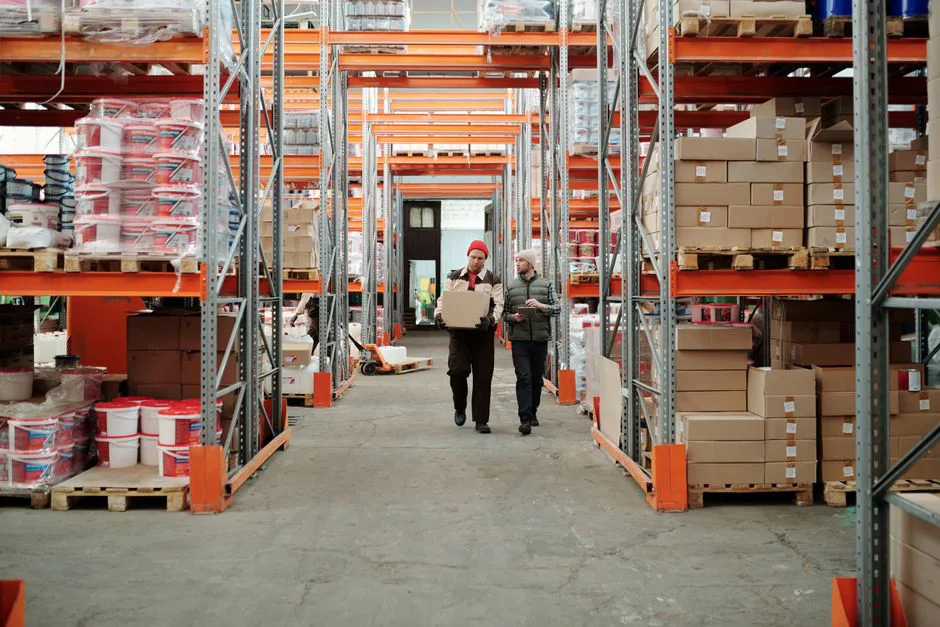
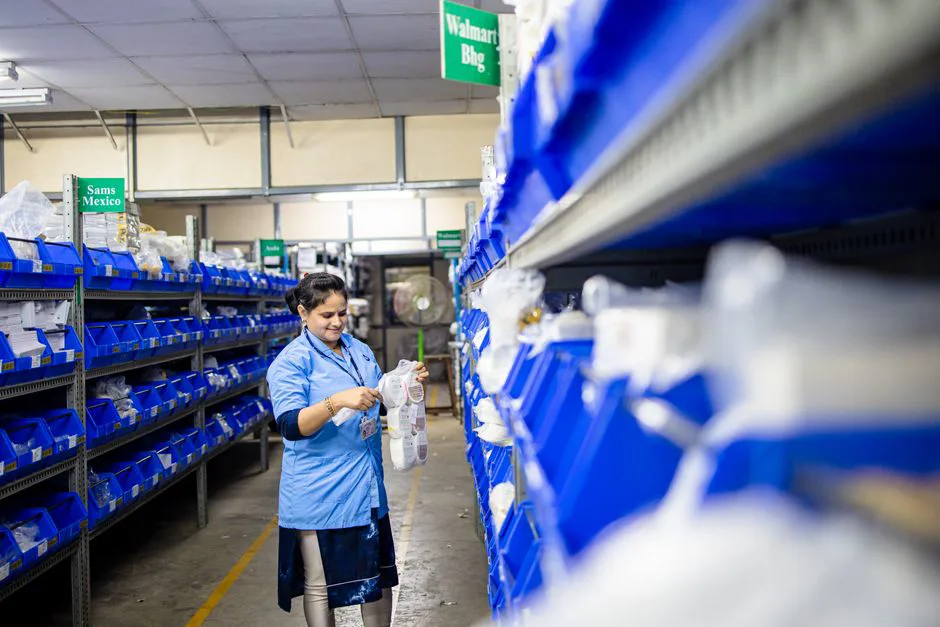
A full-service Mexico warehouse goes far beyond accepting returns. It provides three core capabilities that mirror a US fulfillment center but with cross-border expertise. First, storage: you can preposition inventory in Mexico, reducing the need for rush shipments from the US. Obserway's Monterrey depot, for example, is a full-function warehouse that stores products for days or months, with real-time inventory tracking via EasyCentral integration. Second, fulfillment: the warehouse picks, packs, and ships orders directly to Mexican customers, using local courier networks for fast delivery. This is especially critical for Amazon FBM sellers who want to offer competitive shipping speeds without paying FBA fees. Third, returns management from A to Z: when a customer returns an item, the warehouse inspects it, grades its condition, and either restocks it for resale or routes it to liquidation or disposal. This end-to-end process maximizes recovery value. According to Obserway's own data, over 500,000 successful deliveries have been processed with a 99.8% operational success rate, and average package processing time is 4–5 hours. That speed applies not just to outbound orders but also to return processing, getting products back on the shelf faster.
3. How Obserway's Monterrey Warehouse Consolidates Your Logistics into One Flow
Obserway operates three physical warehouses: the US hub in Hidalgo, Texas (425 E. Coma Ave), the full-service depot in Monterrey, Mexico, and an additional facility in the UK for European returns. The Monterrey warehouse is particularly strategic. Located just a few hours from the US border, it receives inventory from Hidalgo via pre-cleared cross-border shipments. Because Obserway handles both US storage and Mexico storage under one contract, your products move from US to Mexico without leaving the Obserway network. This means customs documentation is prepared in advance, and shipments clear border checks in hours, not days. In fact, Obserway's standard is to process and clear customs on the same day—a speed that most competitors can't match (they often take 1+ days just to ship from warehouse to border). Once in Monterrey, inventory is stored in a secure, climate-controlled environment. When orders come in via your integrated platform (Amazon, Shopify, Etsy), the system automatically routes them to the nearest stock. For sellers using FBM, the warehouse fulfills and ships directly. For FBA sellers, the Monterrey depot can act as a cross-dock to replenish Amazon Mexico fulfillment centers quickly. This single-flow approach eliminates handoffs between different logistics partners, reducing errors and delays.
4. Step-by-Step: How a Full-Service Warehouse Handles Your Products from US to Mexico
Let's walk through a typical order cycle using Obserway's full-service network. Step 1: Inventory arrives at Hidalgo, TX warehouse. Your supplier ships products to Obserway's US depot. Items are received, inspected, and logged into the inventory system within 4–5 hours. Step 2: Cross-border transfer to Monterrey. Based on your forecast, inventory is transferred to the Mexico warehouse. Customs documentation (including the Electronic Value Manifest required since June 2026 under Mexico's new customs rules) is filed electronically. Because Obserway uses in-house customs expertise (not a third-party broker), paperwork is pre-submitted and clearance is often completed on the same day the truck departs. Step 3: Storage in Monterrey. Products are stored in designated bins, with real-time quantity tracking available through your Obserway portal or integrated software (EasyCentral, MongerLab). Step 4: Order placement and fulfillment. A Mexican customer places an order. If you're an Amazon FBM seller, the order syncs to Obserway's system. The warehouse picks, packs, and ships via a local carrier. Delivery time to major cities is typically 2–4 days. Step 5: Returns handling. If the customer returns the item, it goes back to the Monterrey warehouse. It is inspected, graded, and either restocked (if sellable) or disposed of. Restocked items are immediately available for resale. Step 6: Account health support. Obserway also assists with A-to-Z guarantee claims, negative feedback removal, and violation appeals—though Amazon's final decision is not guaranteed. This complete cycle keeps your operations tight and your Amazon account healthy.
5. Comparison: Separate Providers vs. Integrated Full-Service Warehouse
To see the advantage of a single-fill warehouse, compare it to the typical fragmented approach. With separate providers, you might use: a US 3PL for storage, a customs broker for clearance, a courier for cross-border shipping, a Mexico return center, and a separate freight forwarder for Amazon FBA inbound. Each provider has its own software, invoice, and support line. Communication breakdowns are common. In contrast, an integrated full-service warehouse like Obserway offers: one contract, one dashboard, one support team (including a Mexico call center in Spanish/English), and end-to-end visibility. The cost savings come from fewer handoffs (less labor and risk of error), consolidated shipping volumes (lower per-unit rates), and faster return-to-resale cycles (less capital tied up in dead stock). For example, with separate providers, a returned item may take 2–3 weeks to be restocked—shipped back to the US, inspected, and sent back to Mexico. With a full-service warehouse, that same item can be reinspected and relisted in 24–48 hours. For sellers with high return rates (common in apparel and electronics), this speed directly improves cash flow and reduces storage costs.
6. How Storage and Fulfillment in Mexico Reduces Inventory Risks and FBA Inbound Costs
Prepositioning inventory in Mexico through a full-service warehouse lowers several risks. First, it reduces dependency on cross-border shipping speed. When you have stock in Monterrey, you can fulfill orders immediately, even if there are delays at the border. Second, it lowers Amazon FBA inbound costs: instead of shipping small batches to Amazon Mexico from the US (which incurs high per-unit freight and customs fees), you can consolidate shipments from your Mexico warehouse to Amazon's fulfillment centers more economically. Obserway's 4–5 hour processing time means your FBA replenishments are never delayed. Third, it protects against stockouts during peak seasons. By maintaining safety stock in Mexico, you can handle demand spikes without expensive air freight. According to US Census Bureau data, US-Mexico trade reached $872.8 billion in 2025, with e-commerce growing rapidly. As competition increases, having local stock gives you a delivery speed advantage that boosts conversion rates and reduces cart abandonment. Additionally, Obserway's Mexico depot is not just a storage shed; it's a fully managed facility that can handle special requirements like kitting, labeling, and quality checks before FBA shipment.
7. The Role of Software Integrations (EasyCentral, MongerLab) in Managing a Full-Service Warehouse
A full-service warehouse is only as good as the software that connects it to your sales channels. Obserway integrates with EasyCentral and MongerLab, two platforms that automate order syncing, inventory updates, and shipping label generation. When a customer orders on Amazon, Shopify, or Etsy, the order flows directly into Obserway's system. The warehouse gets a picklist, and the tracking number is sent back to the platform automatically. For FBM sellers, this eliminates manual data entry and reduces errors. For FBA sellers, the integration allows you to manage inbound shipments and returns from the same interface. MongerLab's analytics can help you forecast demand and optimize inventory allocation between your US and Mexico warehouses. EasyCentral's multi-channel support ensures that if you sell on multiple platforms, inventory levels are synchronized in real-time—preventing overselling. These integrations are a key reason why over 2,000 Amazon sellers trust Obserway for cross-border operations. Without such software, managing a full-service warehouse across borders would be a nightmare of spreadsheets and manual updates. With it, you get one flow: one line, one flow.
8. Real-World Scenarios: How Different Seller Types Benefit from a Full-Service Mexico Warehouse
Consider three scenarios. Scenario 1: Amazon FBM seller with high-volume electronics. This seller ships dozens of SKUs to Mexico. Using a full-service warehouse, they pre-stock their top 20 SKUs in Monterrey. Orders are fulfilled locally, shipping time drops from 10–14 days to 2–4 days. Returns are inspected in Mexico; functional items are resold, defective ones are liquidated locally. Account health improves because customers receive products faster and issues are resolved quickly. Scenario 2: Shopify dropshipper selling fashion. Returns in fashion can hit 30–40%. The dropshipper uses Obserway's Monterrey depot as the only Mexico address. Returned clothing is inspected, repackaged, and listed on "as-is" channels. The costs of cross-border return shipping are eliminated. The dropshipper can offer free returns (a competitive advantage) without eating into margins. Scenario 3: US-based Etsy seller making handmade goods. They ship to US customers but also see growing Mexican demand. Instead of fulfilling each order from the US, they send a bulk shipment to Obserway's Mexico warehouse. Orders are then dispatched from Mexico, reducing delivery time and customs complexity. The seller wins the "local delivery" badge on Etsy and gains higher conversion. In all scenarios, the full-service warehouse acts as a force multiplier, not just a return hub.
Frequently Asked Questions
1. What is the difference between a return-only warehouse and a full-service Mexico warehouse?
A return-only warehouse only accepts returned items, often storing them until you decide to ship them back to the US for processing. A full-service warehouse, like Obserway's Monterrey depot, stores your inventory, fulfills new orders, and processes returns end-to-end—including inspection, gradering, and restocking. This means faster reinventory cycles and lower logistics costs.
2. Can I use Obserway's Mexico warehouse for Amazon FBA inbound preparation?
Yes. Obserway's Monterrey facility can prepare and label products for Amazon Mexico fulfillment centers. Items are repackaged, labeled with FBA barcodes, and shipped to Amazon in consolidated pallets, reducing inbound shipping costs compared to sending from the US.
3. How does Obserway handle customs clearance for inventory stored in Mexico?
Because Obserway is a single provider, customs documentation is prepared in advance and submitted electronically. The US warehouse in Hidalgo, TX is located at the border, allowing for same-day processing and clearance. Obserway's team stays current with Mexico's 2026 customs reforms, including the mandatory Electronic Value Manifest.
4. What software integrations does Obserway support for inventory management?
Obserway integrates with EasyCentral and MongerLab, two powerful platforms that sync inventory across Amazon, Shopify, Etsy, and other channels. These integrations automate order routing, tracking updates, and inventory counts, giving you real-time visibility from a single dashboard.
5. How quickly can returned items be restocked and resold?
Obserway's average processing time for returns is 4–5 hours after receipt. The item is inspected, and if sellable, it is restocked immediately. In most cases, the product is available for resale within 24–48 hours, compared to 2–3 weeks when returns are shipped back to the US.
6. Do I need a separate contract for storage and returns?
No. One contract covers all services: US storage, cross-border transport, Mexico storage, fulfillment, returns, and account health support. This simplifies billing and eliminates coordination headaches. As Obserway says, "One line. One flow."
Conclusion: Move Beyond Returns – Consolidate Your Mexico Operations Today
A full-service Mexico warehouse is not a luxury—it's a competitive necessity for US sellers targeting the growing Mexican e-commerce market. By combining storage, fulfillment, and returns in one location, you reduce costs, speed up delivery, and protect your Amazon account health. Obserway's Monterrey depot, backed by its US warehouse and software integrations, provides the unified infrastructure you need to scale. Whether you sell on Amazon, Shopify, Etsy, or all three, a single flow eliminates the friction of cross-border logistics. Ready to simplify your Mexico operations? Contact Obserway today and let's build a custom warehouse solution for your business.
About the Author
Robert Hayes — Warehouse & Fulfillment Operations Lead
Robert writes about Obserway's US warehouse receiving, fulfillment, and returns operations, walking through the practical steps from intake to returns processing.