How to Avoid Customs Penalties When Shipping from the US to Mexico: 7 Mistakes Sellers Make
Avoid costly customs penalties when shipping from the US to Mexico by learning the seven most common mistakes sellers make, from incorrect HS codes to missing NOM certifications, and how to prevent them.
Customs clearance is the single most unpredictable step in cross-border ecommerce. One missing document, a misclassified tariff code, or an incomplete invoice can hold your shipment for days—or weeks—and trigger penalties that eat into your margins. For US sellers shipping to Mexico via Amazon FBA or FBM, understanding the most common customs pitfalls is the first step to avoiding them. This guide breaks down seven frequent mistakes and shows you how to navigate Mexican customs smoothly, with the help of a logistics partner that handles clearance as part of the flow.
1. Using Incorrect or Incomplete HS Codes
Harmonized System (HS) codes are the backbone of customs classification. Mexico uses the 8-digit Harmonized Tariff Schedule (HTSMX), which is based on the international HS system but includes country-specific subheadings. A wrong code can lead to misclassification, overpayment or underpayment of duties, and even seizure of goods. Many sellers rely on generic codes or copy-paste from Amazon's suggested codes without verifying them against Mexico's tariff schedule. The consequence? Customs inspectors flag the shipment, demand a reclassification, and issue a fine that can range from a few hundred to thousands of pesos, plus storage fees while the paperwork is sorted. To avoid this, invest time in correctly classifying each SKU. Use Mexico's official tariff database or work with a logistics provider that has in-house customs expertise. Obserway, for example, includes HS code verification as part of its customs clearance service, ensuring accuracy before the shipment even leaves the US warehouse.
2. Failing to Provide a Proper Commercial Invoice
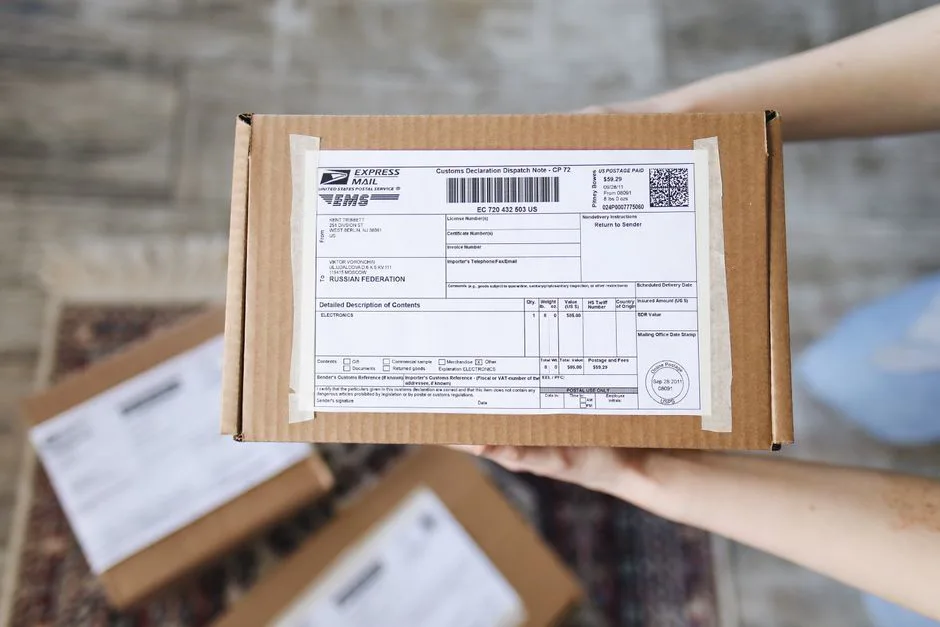
The commercial invoice is the most scrutinized document by Mexican customs. It must include detailed descriptions of each item (not just "electronics" but "wireless Bluetooth headphones, model XYZ"), quantities, unit values, total value, currency, terms of sale (Incoterms), and the importer's tax ID (RFC). Many US sellers make the mistake of using Amazon's automatically generated invoice, which often lacks the required level of detail. Missing fields or vague descriptions can result in the shipment being held for verification, leading to demurrage charges and delays. Worse, if customs determines the invoice is intentionally misleading (e.g., undervaluing goods to reduce duties), penalties can be severe—up to 70% of the goods' value. To prevent this, always prepare a Mexico-specific commercial invoice that meets SAT (Mexico's tax authority) requirements. If you're using a logistics partner like Obserway, they can generate and submit the invoice on your behalf, ensuring completeness and compliance.
3. Ignoring Mexico's NOM Standards and Labeling Requirements
Mexico enforces mandatory standards known as Normas Oficiales Mexicanas (NOMs) for a wide range of products, including electronics, toys, textiles, and food items. These standards cover safety, performance, labeling, and packaging. For example, electronic devices must have a NOM-001-SCFI-2018 mark, and all imported consumer goods must display labeling in Spanish, including the product name, country of origin, importer details, and usage instructions. Many US sellers assume that products compliant with US standards (UL, FCC) are automatically compliant in Mexico—they are not. If your shipment arrives without the required NOM certification or proper labeling, customs can reject it, impose fines, or order destruction of the goods. The cost of non-compliance can easily exceed the value of the shipment. Before shipping, research the NOMs applicable to your product category. For high-volume sellers, obtaining a NOM certification from Mexico's designated certification bodies (like NYCE or ANCE) is a worthwhile investment. Alternatively, work with a logistics partner that offers pre-clearance checks—Obserway's team can review your products against current NOM requirements as part of its customs preparation service.
4. Underestimating the Importance of the Importer of Record (IOR)
Mexico requires every imported shipment to have a designated Importer of Record (IOR)—the legal entity responsible for compliance with all customs and tax obligations. The IOR must have a valid Mexican RFC and be registered in the Padrón de Importadores (Importer Registry). Many US sellers mistakenly assume that Amazon or the logistics provider acts as the IOR for FBA shipments. In reality, for most FBA imports, the seller is the IOR unless they use a third-party IOR service. If you don't have a Mexican RFC and attempt to clear customs in your own name, your shipment will be rejected. The solution: either register for an RFC in Mexico (which requires a local address and tax representation) or use a logistics provider that offers IOR services. Obserway provides IOR solutions for its clients, taking on the legal responsibility for customs clearance, which eliminates the need for sellers to establish a Mexican entity. This is a game-changer for small to mid-sized sellers who want to avoid the complexity of Mexican tax registration.
5. Overlooking the Value-Added Tax (IVA) and Customs Duties Payment
Mexico imposes a 16% Value-Added Tax (IVA) on most imported goods, calculated on the sum of the CIF value (cost, insurance, freight) plus customs duties. Customs duties vary by HS code, typically ranging from 0% to 20%. Many sellers fail to account for these taxes when pricing their products, leading to unexpected costs that erode margins. Additionally, if you don't pay IVA and duties at the time of clearance, your goods can be held indefinitely. Some sellers try to undervalue their shipments to reduce taxes, but this is a high-risk strategy that can result in audits, penalties, and even criminal charges. The correct approach is to factor in all duties and taxes upfront. Use a reliable duty calculator or ask your logistics partner for a proforma estimate. Obserway provides transparent cost breakdowns before shipping, so you know exactly what to expect in terms of IVA and duties, and we handle the payment on your behalf to ensure smooth clearance.
6. Submitting Documentation Late or After the Shipment Arrives
Mexican customs requires that all documentation (commercial invoice, packing list, bill of lading, and any certificates) be submitted electronically via the Ventanilla Única de Comercio Exterior (VUCEM) system before the goods arrive at the border. Many sellers submit paperwork only after the shipment is already in transit, causing delays while customs reviews documents. This can lead to storage fees at the border warehouse (often $50–$200 per day) and missed Amazon delivery windows. To avoid this, ensure your documentation is complete and submitted at least 24 hours before the shipment reaches the border. A logistics partner with experience in Mexican customs can manage this timeline for you. Obserway's team submits all documentation through VUCEM well in advance, and because we handle both warehouse processing and customs clearance in parallel, we can achieve same-day exit from our Hidalgo warehouse and same-day customs clearance—a key differentiator that minimizes border delays.
7. Not Using a Trusted Customs Broker or Logistics Partner
The most common mistake of all is trying to navigate Mexican customs alone. The regulatory environment is complex and changes frequently—tariff codes are updated, NOM requirements evolve, and customs officials have discretion in interpreting rules. A single mistake can cascade into delays, penalties, and lost sales. Many sellers attempt to save money by using a generic freight forwarder or handling clearance themselves through a third-party customs broker. However, without a dedicated partner who understands ecommerce fulfillment, the handoffs between broker, warehouse, and carrier create inefficiencies and communication gaps. The solution is to choose a logistics partner that offers integrated customs clearance as part of a unified cross-border solution. Obserway combines US warehousing, customs brokerage, Mexico warehousing, and last-mile delivery into a single flow. Our in-house customs team handles all documentation, classification, and compliance checks, so you don't have to coordinate multiple vendors. This reduces the risk of errors and ensures that your shipments clear customs smoothly and quickly.
Step-by-Step Guide: How to Prepare a Shipment for Mexican Customs
Follow these steps to minimize the risk of penalties and delays:
Step 1: Classify Your Products. Determine the correct 8-digit HS code for each SKU using Mexico's tariff schedule. Verify with a customs expert if unsure.
Step 2: Check NOM Requirements. Identify which NOM standards apply to your products (e.g., NOM-001-SCFI for electronics, NOM-050-SCFI for toys). Obtain certifications if needed.
Step 3: Prepare Documentation. Create a commercial invoice in Spanish that includes: seller and buyer details, RFC of the IOR, detailed product descriptions (brand, model, material), quantities, unit and total values in USD, Incoterms (preferably DAP or DDP), and country of origin. Also prepare a packing list and, if required, certificates of origin (for USMCA benefits).
Step 4: Submit to VUCEM. Submit all documents electronically through the VUCEM portal at least 24 hours before the shipment arrives at the border. Ensure the IOR is registered in the Padrón de Importadores.
Step 5: Pay Duties and Taxes. Arrange payment of IVA (16%) and customs duties (variable) through your customs broker or logistics provider. Keep proof of payment.
Step 6: Monitor Clearance. Track the clearance status through VUCEM or your logistics partner's system. Be prepared to respond to any queries from customs officials.
Step 7: Arrange Final Delivery. Once cleared, the goods can be transported to your Mexico warehouse or Amazon fulfillment center. If using Obserway, we manage all steps from warehouse to clearance to delivery, providing end-to-end visibility.
Comparing In-House Customs Clearance vs. Outsourced Logistics Partner
- Complexity Management: In-house requires hiring or contracting a customs broker, learning VUCEM, and keeping up with regulatory changes. Outsourced: the logistics partner handles all compliance.
- Error Rate: In-house: higher risk of documentation errors, misclassification, and missed deadlines. Outsourced: dedicated experts reduce error rates significantly.
- Cost: In-house: broker fees + your time + potential penalty costs. Outsourced: bundled service fee that often includes brokerage, documentation, and compliance checks.
- Speed: In-house: depends on your broker's responsiveness; coordination between multiple parties can cause delays. Outsourced: integrated operations enable faster clearance (e.g., Obserway's same-day warehouse exit and customs clearance).
- Scalability: In-house: difficult to scale without adding staff. Outsourced: your logistics partner can handle increased volume without additional overhead for you.
For most US sellers, outsourcing customs clearance to a specialized cross-border logistics partner like Obserway is the most efficient and cost-effective approach. It eliminates the headache of compliance while ensuring faster delivery to your customers in Mexico.
Frequently Asked Questions
What happens if my shipment is held by Mexican customs?
If customs holds your shipment, you will receive a notification through VUCEM or your customs broker. Common reasons include incomplete documentation, incorrect HS codes, or missing NOM certifications. You will need to provide the missing information or pay a penalty to release the goods. Delays can last from a few days to several weeks, and storage fees accumulate. To avoid this, work with a logistics partner that conducts pre-clearance audits.
Do I need a Mexican RFC to import goods?
Yes, the Importer of Record (IOR) must have a valid Mexican RFC and be registered in the Padrón de Importadores. If you don't have an RFC, you can use a third-party IOR service offered by logistics providers like Obserway, who will act as the IOR on your behalf.
Can I use Amazon's shipping label for customs clearance?
Amazon's shipping labels are for domestic fulfillment and do not include the customs documentation required for cross-border shipments. You must prepare a separate commercial invoice and customs declaration. For FBA, you typically ship to Amazon's US fulfillment centers, and Amazon handles the import process—but you are still responsible for providing accurate product information and compliance with Mexican regulations.
What are the penalties for undervaluing goods?
Mexican customs can impose fines up to 70% of the goods' value for intentional undervaluation. Additionally, the goods may be seized, and you could face criminal charges for tax evasion. Always declare the correct transaction value.
How long does customs clearance typically take?
With proper documentation and a reliable customs broker, clearance can be completed within 24–48 hours. However, delays are common if documents are incomplete or if the shipment is selected for physical inspection. Obserway's integrated process aims for same-day clearance by submitting documents in advance and having a dedicated team at the border.
Is USMCA beneficial for reducing duties?
Yes, under the USMCA (United States-Mexico-Canada Agreement), many goods originating from the US can enter Mexico duty-free or at reduced rates if they meet the rules of origin. You must provide a Certificate of Origin (e.g., a signed statement on the commercial invoice) to claim preferential treatment. This can significantly lower your landed cost.
Streamline Your Cross-Border Operations
Customs compliance doesn't have to be a bottleneck. By understanding these seven mistakes and partnering with a logistics provider that specializes in US-to-Mexico cross-border ecommerce, you can avoid penalties, reduce delays, and keep your Amazon account healthy. Obserway's unified service—from US warehouse receipt to Mexico delivery—includes full customs clearance support, so you can focus on growing your sales. Read our detailed guide on avoiding customs delays or learn how a unified logistics solution cuts costs. Ready to simplify your shipping to Mexico? Contact Obserway today to discuss your needs.
About the Author
Michael Turner — Customs & Cross-Border Compliance Lead
Michael focuses on Obserway's US-Mexico customs and cross-border operations content, helping sellers understand what makes customs clearance more predictable.
Disclaimer: This article is for general information only and does not constitute legal or financial advice. For current, definitive guidance on customs, tax, or regulatory matters, consult official sources (Mexico's SAT, USMCA/USTR, Amazon Seller Central) or a qualified professional.