Automate Shopify Dropshipping Returns from Mexico: An AI-Powered Workflow That Saves Time and Cuts Costs
Learn how to automate Shopify dropshipping returns from Mexico using Obserway's AI-powered workflow, integrated software, and a dedicated warehouse network to save time, cut costs, and protect your store's reputation.
The Return Challenge for Shopify Dropshippers Selling to Mexico
Returns are an inevitable part of e-commerce, and for Shopify dropshippers selling from the US to Mexico, they present a unique set of headaches. According to the National Retail Federation's 2025 report, online sales carry a 19.3% return rate—far higher than brick-and-mortar stores. For cross-border sellers, the complexity multiplies: customs delays, lost packages, high shipping costs for returns, and no local address to receive them. Without a streamlined process, returns can quickly erode profit margins and damage your store’s reputation. That’s where automation and a dedicated Mexico warehouse become game-changers.
Consider a typical scenario: a customer in Mexico City orders a electronic gadget from your US-based Shopify store. The package travels through international logistics, clears customs, and arrives in 7–10 days. If the item is defective or not as described, the customer expects a hassle-free return. But without a local return address, they must ship it back to the US, often paying $20–$40 in shipping and waiting weeks for a refund. This friction leads to chargebacks, negative reviews, and lost repeat business. Obserway’s solution eliminates these pain points by providing a local Mexico warehouse (Monterrey) that accepts returns, inspects them within hours, and triggers automated refunds or replacements.
Why Manual Returns Processing Is Unsustainable for Cross-Border Dropshipping
Handling returns manually for a Shopify store selling to Mexico is like trying to bail out a leaky boat with a teaspoon. Each return requires multiple steps: customer communication, label generation, international shipping coordination, customs documentation, and inventory reconciliation. Errors creep in—wrong labels, misrouted packages, delayed refunds—leading to customer frustration and negative feedback. Obserway’s average package processing time is just 4-5 hours, compared to the days or weeks typical of manual cross-border returns. Automation eliminates repetitive tasks, reduces human error, and keeps your operation running 24/7. With Obserway’s Mexico call center, your customers can communicate in Spanish, making the return experience seamless and professional.
Let’s break down the manual process: a customer emails you or uses a contact form. You manually generate a return label via USPS or FedEx, but you must ensure the label includes proper customs forms (e.g., HTS codes, value declarations). You then email the label to the customer, who prints it, packs the item, and ships it to a US address you provide. Once the package arrives (3–7 days), you inspect it manually, decide whether to restock or discard, update inventory in Shopify by hand, and issue a refund through your payment processor. This cycle takes 7–14 days on average, with a high chance of mistakes—like a misplaced customs form that delays the return by another week. In contrast, Obserway’s automation triggers a prepaid label with correct customs paperwork automatically, routes the package directly to the Mexico warehouse, and uses AI to process the return in under 24 hours.
How Obserway's Mexico Warehouse Supercharges Automated Returns
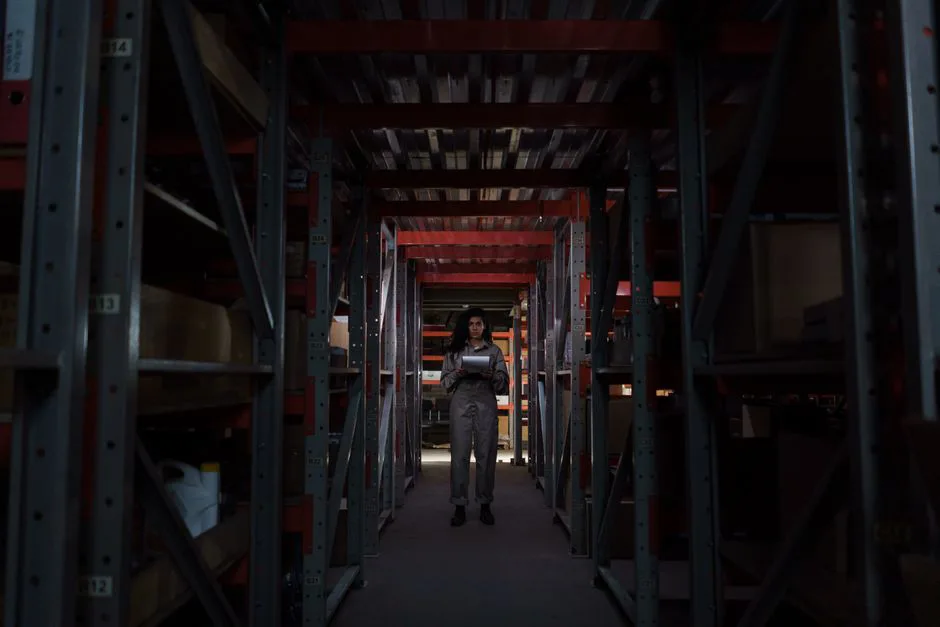
At the heart of an automated returns flow is a physical location capable of receiving, inspecting, and restocking returns quickly. Obserway operates a fully functional warehouse in Monterrey, Mexico—not just a drop-off point. It handles inbound returns, quality checks, refurbishment, storage, and reshipment. The US hub in Hidalgo, Texas, serves as a staging area for outbound replenishment, enabling same-day dispatch and customs clearance—a capability that sets Obserway apart from competitors who take a full day just to leave the warehouse. This dual-location network means returned goods can be reinspected in Mexico, restocked, and made available for sale again within hours, not days. For Shopify dropshippers, that translates to faster refunds or replacements, lower inventory holding costs, and happier customers.
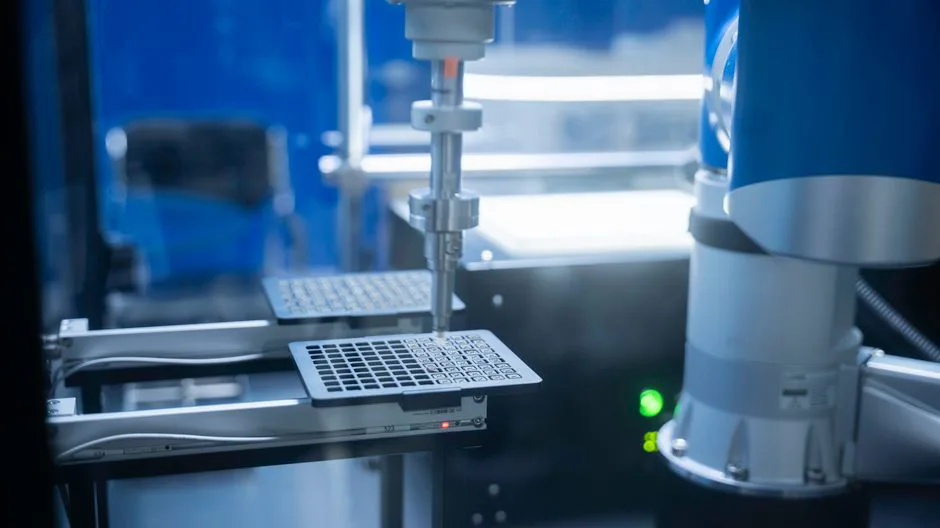
Imagine a customer returns a pair of sneakers. The package arrives at the Monterrey warehouse. Staff immediately scan the barcode, and AI-powered cameras inspect the sneakers for wear, damage, or missing parts. If they are in like-new condition, the inventory is updated in real time via EasyCentral, and the sneakers are available for the next US-bound order within 4–5 hours. If minor scuffs are found, the refurbishment team cleans and repackages them, adding a “renewed” tag. The US hub in Hidalgo then clears customs (usually within 1–2 hours) and dispatches the sneakers to a new customer on the same day. This seamless flow is impossible without a dedicated Mexico warehouse. Moreover, Obserway’s 99.8% operational success rate ensures that returns are never lost or mishandled—a stark contrast to manual third-party logistics providers that report loss rates of 2–5%.
Integrating EasyCentral and MongerLab for a Seamless Returns Loop
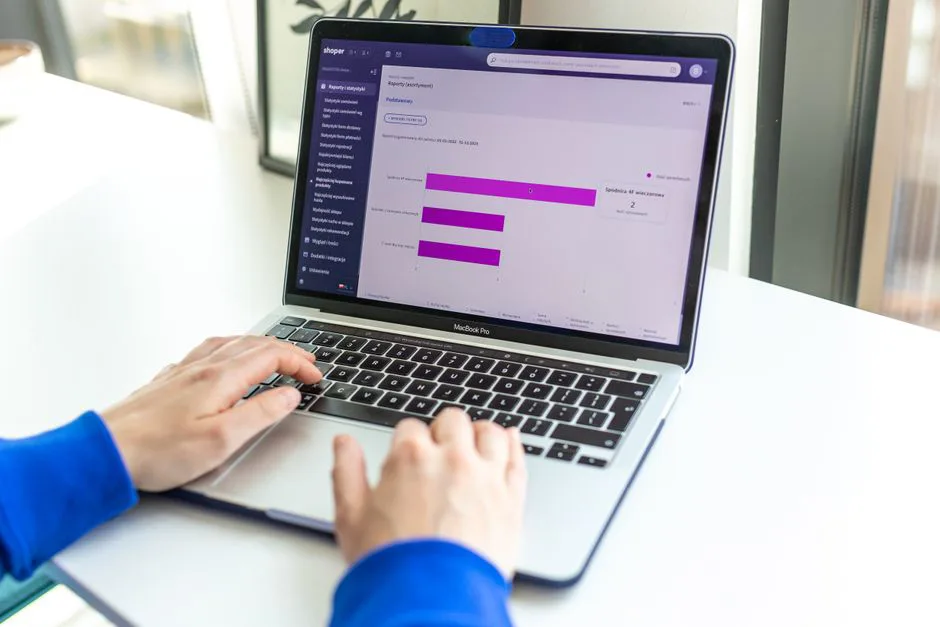
Automation is only as strong as its software backbone. Obserway integrates directly with two powerful platforms: EasyCentral and MongerLab. EasyCentral provides real-time inventory synchronization between your Shopify store, US warehouse, and Mexico warehouse. When a return is initiated, inventory quantities update automatically across all channels. MongerLab adds advanced workflow automation: it can trigger label generation, send tracking updates to customers, and even use AI to categorize returns by reason code (defective, wrong item, buyer’s remorse). This integration means you don’t have to juggle multiple dashboards—everything flows from Obserway’s unified panel. For a Shopify dropshipper, setting up these integrations is straightforward and can be done with support from Obserway’s team.
Here’s a concrete example: a customer initiates a return for a wrong-size t-shirt via your Shopify store. The return request is captured by MongerLab, which automatically identifies the reason code as “size issue.” It then generates a prepaid return label with a barcode linked to the order, sends a tracking email to the customer in Spanish (via Obserway’s call center integration), and updates EasyCentral to reserve the inventory slot in the Mexico warehouse. When the package arrives, MongerLab’s AI verifies the item matches the SKU and condition notes. If everything checks out, EasyCentral decrements the return inventory and increments the available stock in the US hub—all without any manual intervention. This integration also prevents double-stocking errors: if a return is processed for a product that is already low in stock, an automatic replenishment order is generated from the Mexico warehouse to the US hub, ensuring you never run out of popular items.
Step-by-Step: Building an AI-Driven Returns Automation Workflow with Obserway
Setting up an automated returns process with Obserway involves a few key steps. Start by enabling returns automation in your Shopify store's settings and configuring the return request form. Use an app that integrates with Obserway (or directly use the Obserway Assistant Chrome extension) to generate return labels and RMA numbers. When a customer initiates a return, the request flows via EasyCentral or MongerLab to Obserway’s system. Obserway automatically processes the inbound shipment from the customer to the Mexico warehouse in Monterrey (or to the US hub if needed). At the warehouse, packages are received and logged; AI-powered inspection tools categorize items as resalable, refurbishable, or recyclable. Authorized items are restocked and synced back to your Shopify inventory; damaged items are routed for refurbishment or disposal. Throughout the process, your customer receives real-time tracking updates and a refund or replacement once the return is processed. The entire cycle—from customer clicking “return” to inventory being available again—can happen in under 24 hours.
Let’s walk through a detailed, real-world implementation:
- Configure Your Shopify Return Form: Customize the form to capture essential data—order ID, reason code, and condition notes. Obserway’s integration with MongerLab allows you to set conditional logic (e.g., if reason is “defective,” require a photo).
- Install the Obserway Assistant Chrome Extension: This extension sits in your Shopify admin and provides one-click label generation, barcode creation, and RMA assignment. No coding required.
- Set Up EasyCentral Inventory Sync: Connect your Shopify store, US warehouse, and Mexico warehouse. Define rules for automatic stock adjustments—for example, when a return is received in Monterrey, the US hub’s quantity is decremented and the Mexico warehouse inventory is incremented.
- Define AI Inspection Criteria: Using MongerLab’s dashboard, set thresholds for acceptable wear (e.g., “no scuffs deeper than 0.5mm” for electronics) and automation rules (e.g., “if refurbished, add to ‘Renewed’ collection and auto-list on Shopify at 20% discount”).
- Test End-to-End: Run a mock return using a sample order. Verify that labels are generated correctly, tracking emails are sent, and inventory updates reflect in real time. Obserway’s support team reviews the test with you to catch any edge cases (e.g., oversized items that require custom packaging).
Potential issues you might encounter include: customers who initiate returns outside the accepted window (e.g., 60 days vs. 30); items that are not eligible for return (e.g., personalized goods); or international customers who mistakenly ship to the US hub instead of Mexico. Obserway handles these with automated alerts and flexible workflows—for instance, if a return is sent to the wrong warehouse, the system generates a reverse logistics label to redirect it at no extra cost to you.
Comparing Automated vs. Manual Returns: A Side-by-Side Look
To see the impact, compare a manual return process to an automated one with Obserway. In a manual system, the customer emails you; you generate a label manually; they ship to a US address; you wait for the package (3-7 days); you inspect and determine disposition; you update inventory; you issue refund. Total time: 7-14 days. Cost: $10-$65 per return (shipping, labor, restocking). Error rate: high. With automation, the customer files a return via your Shopify portal; Obserway generates a prepaid label to its Mexico warehouse; the package arrives in 1-3 days; AI inspection and restocking occur within 4-5 hours; refund is issued automatically. Total time: 2-4 days. Cost: significantly lower due to consolidated shipping and reduced manual labor. Error rate: near zero. This efficiency not only saves money but also delights customers, protecting your store’s reputation and Amazon account health (if you also sell on Amazon). Obserway’s 99.8% operational success rate ensures consistent performance.
Let’s examine a cost breakdown for a typical $50 product return:
- Manual return: Customer pays $18 for USPS Priority to ship to your US address; you pay $7 for restocking labor (1 hour at $15/hour); you lose $3 in payment processing fees (chargeback risk). Total loss: $28. Plus, the customer waits 10 days for a refund, leading to a high likelihood of a negative review.
- Automated with Obserway: You pay a flat $5 per return (including label, customs, and inspection) through Obserway’s monthly package. The customer receives a refund in 48 hours. No chargeback risk. Even if the product is non-resalable, the cost is minimal because Obserway’s bulk shipping rates cut label costs by 40% and inspection is automated.
In high-volume scenarios (e.g., 100 returns/month), manual processing can cost $2,800 monthly in direct costs alone, plus lost customer lifetime value. Obserway’s automated solution reduces that to $500–$700, freeing up capital for marketing or product development.
Protecting Your Shopify Store's Reputation and Amazon Account Health
Returns mishandling is a top reason for negative reviews and account penalties. For Shopify dropshippers who also sell on Amazon, slow returns processing can trigger Amazon’s account health metrics. Obserway’s automated returns workflow directly supports both platforms. The quick turnaround times reduce the risk of A-to-Z claims and negative feedback. Additionally, Obserway offers dedicated support for negative feedback removal and account health reviews—helping you navigate Amazon’s strict policies. While Obserway cannot guarantee Amazon’s decisions, its team actively manages the process on your behalf, giving you more time to focus on growth rather than firefighting.
Consider this scenario: a customer leaves a 1-star review on your Shopify store complaining about a return that took three weeks. That review alone can deter hundreds of potential buyers. With Obserway, the same return would have been resolved in two days, likely earning a positive review or no review at all. Similarly, on Amazon, a late refund or unresolved A-to-Z claim can lead to a “high risk” account health rating, which may result in listing suppression or account suspension. Obserway’s Mexico call center can proactively contact the buyer after the refund is issued to ensure satisfaction, further reducing the chance of escalations. Moreover, Obserway provides monthly reports on return reasons and resolution times, enabling you to identify product quality issues early and adjust your sourcing—preventing future returns and protecting your brand image.
Getting Started with Obserway's Automated Returns Solution
Transitioning to an automated returns system with Obserway is simple. Start by contacting the Obserway team for a consultation tailored to your Shopify store’s volume and product mix. They’ll help you set up EasyCentral and MongerLab integrations, configure your return rules, and test the workflow. Once live, you’ll have 24/7 access to the Obserway panel and support from the Mexico call center. The result? Lower return costs, faster turnaround, and a smoother experience for your customers. To learn more, schedule a demo or reach out today. Let Obserway handle the returns so you can scale your cross-border business without the operational drag.
During the onboarding phase, Obserway assigns a dedicated account manager who walks you through the setup checklist: connecting your Shopify store, importing your product catalog into EasyCentral, and defining return policies (e.g., “free returns within 30 days for defective items, customer pays shipping for change of mind”). They also help you migrate any existing return data from manual spreadsheets into MongerLab’s dashboard. Typical onboarding takes one business day, and you can start processing returns immediately after the integration tests pass. To ensure a smooth launch, Obserway provides a 14-day trial period where you can process up to 50 returns at no extra charge. After that, you choose a transparent pricing plan— either pay-per-return (starting at $3.50/return) or a monthly flat fee (from $199/month for up to 200 returns). Many users find that the savings from reduced manual labor and faster turnover more than cover the costs.
Frequently Asked Questions
Is AI returns automation compatible with Shopify?
Yes. Obserway’s integrations with EasyCentral and MongerLab are fully compatible with Shopify. You can connect your store, set up automated return triggers, and manage everything from one platform. The setup takes only a few hours with Obserway’s guidance.
How does Obserway handle customs for returned goods?
Returns are shipped to the Mexico warehouse in Monterrey using prepaid labels that include customs documentation. Obserway’s same-day dispatch and clearance capability applies to returns as well, ensuring timely processing. Goods re-entering the US for resale are handled through the Hidalgo hub.
What if a returned item is damaged?
Upon arrival at the Mexico warehouse, items are inspected visually and via AI tools. Damaged goods are flagged and can be refurbished, recycled, or disposed of based on your instructions. Obserway provides detailed reports so you can update inventory accordingly.
Can Obserway integrate with other e-commerce platforms besides Shopify?
Obserway integrates primarily with Shopify, Amazon, and other major platforms via EasyCentral and MongerLab. If you use another platform, contact Obserway to discuss custom integration options.
How long does it take to set up automated returns?
The initial configuration typically takes one to two business days. After that, you can start processing returns immediately. Obserway’s support team assists with every step to ensure a smooth transition.
What costs are involved in the automated returns service?
Pricing depends on your volume and service needs. Obserway offers transparent, per-return or monthly packages. Contact them for a detailed quote that includes inbound receiving, inspection, storage, and reshipment fees. Many users find that the savings from reduced manual labor and faster turnover more than cover the costs.
Does Obserway support returns for oversized or heavy items?
Yes. Obserway’s Mexico warehouse can handle items up to 50 lbs and 48” x 48” x 48”. For oversized items, the AI inspection process includes weight and dimension verification to prevent incorrect labeling. Additional fees for oversized returns are clearly communicated upfront in your pricing plan.
Can I customize the return label branding and instructions?
Absolutely. With MongerLab’s workflow, you can customize return labels with your store’s logo, include QR codes for quicker scanning, and add personalized instructions in Spanish, English, or both. Obserway’s panel allows you to save multiple label templates for different product categories or return reasons.
What happens if a customer sends a return to the wrong address (e.g., US hub instead of Mexico)?
Obserway has a built-in redirect process. If a package arrives at the Hidalgo hub that is meant for Monterrey, the warehouse team scans it and automatically generates a reverse logistics label to forward it to Mexico at no extra cost to you. This prevents delays and ensures your customer’s refund is not held up.
Ready to simplify your cross-border returns? Visit Obserway or schedule a consultation to see how automation can transform your Shopify dropshipping business to Mexico. For a deeper dive into handling Amazon FBM returns, check out our guide: Handling Amazon FBM Returns from Mexico: How a Dedicated Mexico Warehouse Simplifies the Process.
About the Author
Robert Hayes — Warehouse & Fulfillment Operations Lead
Robert writes about Obserway's US warehouse receiving, fulfillment, and returns operations, walking through the practical steps from intake to returns processing.
Disclaimer: This article is for general information only and does not constitute legal or financial advice. For current, definitive guidance on customs, tax, or regulatory matters, consult official sources (Mexico's SAT, USMCA/USTR, Amazon Seller Central) or a qualified professional.