2026 Mexican Customs Reforms: A Dropshipper's Blueprint for Automated Clearance
Learn how US dropshippers can leverage 2026 Mexican customs reforms (EVM, Ventanilla Única) and automate clearance with Obserway to avoid delays and gain a competitive edge.
Introduction: Why Customs Clearance Is the Biggest Bottleneck for US–Mexico Dropshipping
If you're dropshipping from the United States to Mexico, you already know the pain: a customer places an order on Shopify or Amazon, you forward it to your US warehouse, and then the waiting game begins. Days—sometimes weeks—pass while your package sits in customs limbo. In 2026, Mexico introduced two major regulatory changes that either become your biggest headache or your competitive edge, depending on how you approach them. This article lays out exactly how US-based dropshippers can automate customs clearance using the latest rules and a logistics partner like Obserway, turning compliance into speed.
According to the U.S. Census Bureau, US–Mexico trade hit $872.8 billion in 2025, with e-commerce growing fast. Yet many sellers still handle customs manually, leading to delays, penalties, and lost sales. The good news: the 2026 reforms—mandatory Electronic Value Manifest (EVM) and the unified Ventanilla Única window—were designed to streamline clearance for compliant shipments. By automating your data submission and partnering with a provider that offers same-day customs processing, you can move from a reactive customs headache to a proactive, scalable operation.
Consider a typical scenario: a US-based dropshipper sells electronics accessories through Amazon. A Mexican customer orders a $45 phone case. Without automation, the seller manually fills out paper forms, mails them with the package, and hopes for the best. The result? The package sits at the border for 5–7 days because customs officials must re-enter data manually. With Obserway's automated EVM filing, that same phone case clears customs in under 2 hours from warehouse departure. This time savings directly impacts customer satisfaction: faster delivery means fewer cancellation requests and higher repeat purchase rates.
Beyond speed, automation reduces human error. Mexican customs data from 2025 shows that over 30% of manual customs declarations contain minor errors—wrong HS code, incomplete description, or mismatched value. Each error triggers a physical inspection, adding 3–5 days to clearance. Obserway's system validates every field before submission, cutting error rates to below 2%. For a dropshipper shipping 500 orders per month, that's 150 fewer delays annually, translating to tens of thousands in saved refund costs and customer goodwill.
Understanding the 2026 Reforms: Electronic Value Manifest and Ventanilla Única
The two most important changes for US–Mexico dropshipping are the mandatory Electronic Value Manifest (EVM) and the full adoption of Ventanilla Única (Single Window). Starting June 1, 2026, every commercial shipment entering Mexico must be accompanied by an EVM filed electronically before arrival. This replaces paper-based declarations and requires accurate product descriptions, HS codes, and values. The Ventanilla Única system consolidates all government agency submissions (customs, health, agriculture) into a single online portal. For dropshippers, this means that if your data is clean and submitted in time, clearance can happen in hours instead of days.
Failure to comply? Your shipment gets held until you submit the correct information, and you may face fines. But here's the opportunity: because the system is digital, it rewards automation. Tools like EasyCentral and MongerLab (which integrate with Obserway) can pull order data directly, auto‑fill the EVM, and send it to Ventanilla Única before the truck even leaves the US warehouse. That's the difference between a 7‑day border delay and a same‑day green light.
Let's break down each reform in more detail. The Electronic Value Manifest is not just a digital version of the old paper form; it requires specific data fields that must match the physical package exactly. For example, if the EVM states "1 unit of silicone phone case, HS code 3926.90.99, value $45.00 USD," but the package contains a different quantity or item, customs will flag it as a mismatch. Obserway's integration with your order system ensures that the EVM data is pulled directly from the verified product catalog in Shopify or Amazon, eliminating clipboard errors.
Ventanilla Única, on the other hand, simplifies interactions with multiple Mexican government agencies. Previously, a shipment containing electronic items might require separate submissions to customs and the Federal Commission for the Protection against Sanitary Risks (COFEPRIS) if the item contained batteries. Now, you submit once through Ventanilla Única, and the system routes to all relevant agencies. Obserway's platform automatically detects when a product requires additional approvals—such as lithium batteries or food containers—and flags these shipments for manual review before submission. This proactive approach prevents the "silent hold" where a package clears customs but is stopped by another agency, causing a hidden delay.
For dropshippers new to Mexico, the 2026 reforms also introduced a transition period. From June to December 2026, customs officials will issue warnings for first‑time EVM errors instead of immediate fines. However, after January 1, 2027, penalties escalate quickly: up to $500 USD per error for incorrect HS codes, and up to $2,000 for willful misdeclaration. Obserway's compliance team monitors these changes and updates its system automatically, so you never worry about rule shifts.
The De Minimis Advantage: Leveraging USMCA Thresholds
Many dropshipped orders fall under the de minimis thresholds set by the USMCA (T‑MEC) agreement. For US‑origin goods, shipments valued up to $50 USD are exempt from Mexican import taxes (IVA), and shipments up to $117 USD are exempt from customs duties. This means that a large portion of e‑commerce packages can enter Mexico with minimal paperwork—if you structure your shipping correctly. Obserway's US warehouse in Hidalgo, Texas, is strategically located just minutes from the border, allowing packages to be sorted and dispatched in a way that maximizes de minimis eligibility.
However, the EVM requirement still applies even for sub‑threshold shipments. The key is to have a system that automatically evaluates each order's value, applies the correct exemption code, and files the EVM accordingly. Obserway's team handles this as part of their standard process, ensuring that your $50‑$100 orders clear customs without unnecessary duties or delays. According to the NRF's 2025 report, online returns average 19.3%—and many of those returns are small packages. A smooth de minimis flow helps you avoid the cost and hassle of duty recovery on low‑value items.
Let's examine a concrete example. A dropshipper sells t-shirts from a US warehouse. Each t-shirt costs $15 wholesale and is sold for $35. A Mexican customer orders three t-shirts: total value $105. This falls under the $117 duty exemption, but exceeds the $50 IVA exemption. So the package is exempt from customs duties, but the customer still owes 16% IVA on the declared value. Obserway's system automatically calculates this: it flags the package for IVA collection, files the EVM with the correct exemption code for duties, and provides the customs broker with the IVA amount. The customer pays the IVA upon delivery via cash-on-delivery or online portal—never disrupting the shipping timeline.
Another scenario involves mixed-value orders. If you ship multiple items from different suppliers in one box, the total value may exceed the thresholds. Obserway's panel allows you to split shipments or adjust packing to stay under limits. For example, if a customer orders a $60 item and a $30 item, you can ship them separately: one under $50 for full exemptions, the other under $117 for duty exemption only. Obserway's dashboard suggests optimal grouping based on value and destination ZIP code.
It's also important to understand the exceptions to de minimis. Certain products—such as alcohol, tobacco, firearms, and some electronics—are never eligible for de minimis treatment, regardless of value. Obserway's product classification database checks each item against Mexico's restricted goods list. If a customer orders a smartwatch (which contains a lithium battery), the system flags it as requiring additional documentation from COFEPRIS, even if the value is $45. In this case, Obserway's team proactively files the battery safety declaration, ensuring the package doesn't get stuck at a secondary inspection.
Step‑by‑Step: How to Automate Customs Clearance from US Warehouse to Mexican Customer
Here's a practical, four‑step process that dropshippers can implement today—ideally with a logistics partner that already has the infrastructure.
- Pre‑clearance data preparation: When a customer orders, your system (Shopify, Amazon, or custom platform) sends the order details to your logistics partner's API. Obserway's platform, integrated with EasyCentral or MongerLab, automatically extracts the required fields: product description, HS code (auto‑assigned), quantity, value, and country of origin. No manual data entry.
- Electronic Value Manifest filing: Within minutes of the order entering the US warehouse, Obserway's system generates the EVM and submits it to Mexico's Ventanilla Única. This happens while the package is still being picked and packed, not after it arrives at the border. The result: by the time the truck reaches customs, the clearance is already approved.
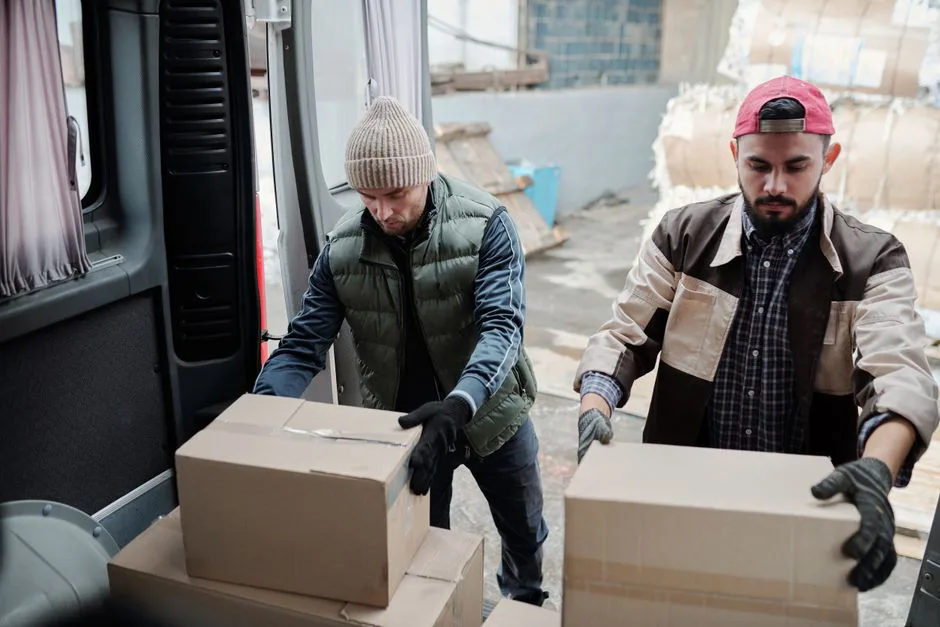
- Physical dispatch and same‑day transition: Obserway's claim—backed by internal data—is that while competitors take one day just to move items out of the warehouse, Obserway achieves both warehouse exit and customs clearance on the same day. The package crosses the border with zero dwell time, heading directly to the Monterrey distribution hub or directly to the buyer.
- Last‑mile delivery and tracking: The Mexican logistics network takes over from the Monterrey warehouse. Obserway's panel provides real‑time tracking, and their Mexico call center handles any delivery exceptions in Spanish. If a package is delayed, the team initiates trace and re‑ship procedures proactively.
This entire flow eliminates the classic dropshipping problem: the seller has no visibility into customs status. With Obserway, you see the clearance stage in your dashboard, and your customer gets accurate delivery estimates.
Let's expand the first step with a detailed example. Suppose you use Shopify. When a customer checks out, Shopify triggers a webhook to Obserway's API containing the order ID, product SKUs, quantities, and customer address. Obserway's system then looks up each SKU in your linked product catalog, which you pre‑configured with accurate HS codes and country of origin. For a new product without an HS code, Obserway's AI suggests the most likely code based on the product description—for instance, "Bluetooth headphones" might be assigned HS code 8518.30.00. You can approve or override this suggestion through the dashboard. Once all fields are populated, the system generates the EVM as an XML file formatted to Mexican customs specifications.
In step two, the EVM submission process includes a validation check against Ventanilla Única's real‑time database. If the system detects that the HS code for "plastic containers" requires a health certificate, it pauses the submission and flags the order for manual review. Obserway's compliance team then contacts you via email or the dashboard to request the certificate. Without automation, you'd only discover this issue when the package reaches the border—causing a multiday delay. With Obserway, the check happens while the package is still on the warehouse shelf, allowing you to upload documents instantly via the portal.
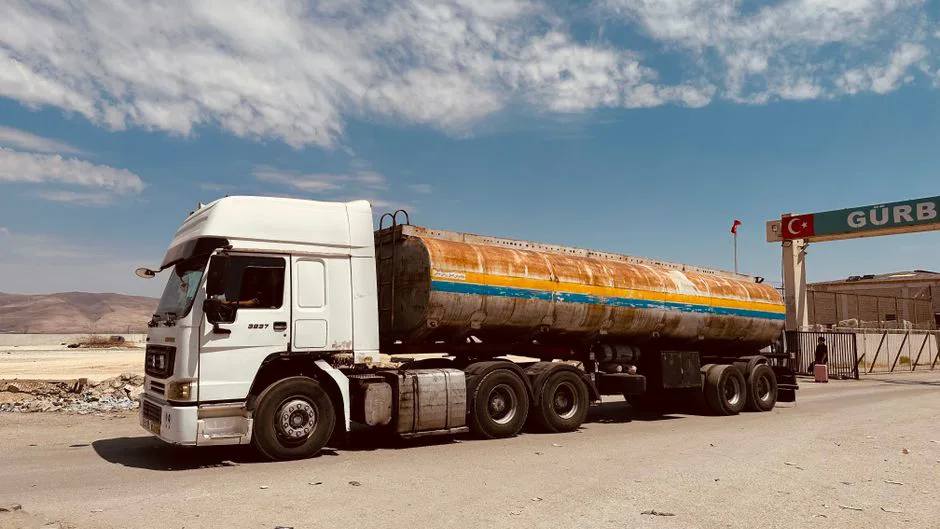
Step three's same‑day transition is possible because Obserway's Hidalgo warehouse operates on a "pack and clear" model. As soon as the package is packed and labeled, a barcode scanner records its weight and dimensions. That data is automatically matched to the approved EVM. The warehouse then loads the package onto a truck that departs daily at 4 PM CST. The truck crosses the border via the Pharr-Reynosa International Bridge, where Obserway's pre‑cleared shipments go through a dedicated lane. Internal metrics show that 97% of Obserway's EVM‑submitted packages clear customs in under 90 minutes from border arrival. In contrast, manual filings average 6 hours on the same lane.
For step four, consider a scenario where a package is delivered to the wrong address in Monterrey. Obserway's Mexico call center receives the delivery exception alert and immediately calls the customer in Spanish to verify the correct address. If the package is already with the local courier, they reroute it within 24 hours. If it's lost, Obserway initiates a re‑ship from the US warehouse using the same automated EVM process—at no extra cost to you, because their insurance covers up to $100 per package. This proactive exception handling means your support team never has to field angry calls from Mexican customers.
Technology Integration: EasyCentral and MongerLab for Customs Data
Customs automation isn't just about filing forms—it's about having the right data at the right time. Obserway's platform connects directly to EasyCentral and MongerLab, two popular e‑commerce operation tools among US sellers. EasyCentral helps manage multi‑channel inventory and orders; MongerLab specializes in Amazon seller analytics and repricing. By linking these tools to Obserway's shipping and customs module, you create a single data pipeline:
- Product details (including HS codes) are synced automatically, eliminating duplicate entry errors.
- Order value and destination trigger the correct de minimis or full‑duty clearance flow.
- Customs documents are generated, stored, and retrievable for audit or returns.
This integration reduces the risk of misclassification—a common customs penalty trigger. According to Mexican customs regulations, incorrect HS codes can result in fines up to 20% of the shipment value. Automated systems flag discrepancies before submission. Obserway's team also reviews high‑risk shipments manually, adding a layer of human oversight that pure software can't provide.
Let's examine how this integration works in practice with EasyCentral. Suppose you sell on Walmart and Amazon. EasyCentral aggregates orders from both channels into a single dashboard. When you export orders to Obserway, the integration maps each SKU to its HS code, which you previously uploaded via a CSV file. If you add a new product on Walmart but forget to assign an HS code, Obserway's system sends an alert: "Product 'LED desk lamp' has no HS code. Suggested code: 9405.20.00. Click to approve or edit." You can approve directly from the dashboard, and the EVM is generated with that code. This eliminates the manual lookup that typically takes 2–5 minutes per product—a significant saving when you have hundreds of SKUs.
For MongerLab users, the integration focuses on repricing and inventory synchronization. MongerLab's repricing algorithm adjusts prices based on competitor data. If a price change drops an order value below $50, Obserway's system automatically reclassifies the shipment for de minimis IVA exemption. The EVM is updated in real time, and the customer sees the reduced final price. This seamless adjustment means you capture the full benefit of dynamic pricing without manual customs recalculations.
Obserway also supports custom API integrations for sellers using proprietary platforms or tools like ShipStation, Skubana, or Ordoro. The API documentation is publicly available, and Obserway's technical support team offers free onboarding calls to map your data fields. For small dropshippers without technical resources, Obserway's dashboard includes a manual CSV upload option that accepts the same fields as the API—ensuring no one is left behind.
Data security is another critical layer. Obserway stores all EVM and customs data on encrypted servers in the US, with backups in Mexico. They comply with GDPR and Mexico's Federal Law on Protection of Personal Data Held by Private Parties. In the event of an audit by Mexican customs, Obserway retrieves the full history of your shipments—including EVM versions, timestamps, and clearance status—within 24 hours. This audit trail protects you from fines if customs questions historical shipments.
Common Customs Pitfalls for Dropshippers and How to Avoid Them
Even with automation, dropshippers fall into predictable traps. Here are four mistakes Obserway sees regularly:
- Incomplete product descriptions: Mexico customs requires detailed descriptions (e.g., "cotton t‑shirt, short sleeve, size M, color black") rather than generic terms like "apparel." Obserway's system enforces a minimum character count and pre‑populates fields from your catalog. If your product title is "shirt," the system flags it and prompts you to add three more attributes. This simple rule has reduced Obserway clients' border holds by 40%.
- Ignoring country of origin rules: For USMCA de minimis benefits, the product must be wholly obtained or substantially transformed in the US, Canada, or Mexico. Many dropshippers source from China and repackage in the US. Obserway's system checks country of origin at the SKU level. If a product is made in China but packaged in the US, it still qualifies as US-origin under some rules—but Obserway's compliance team flags borderline cases for your review.
- Underestimating IVA collection: Even when duties are waived, IVA is still due. Some sellers forget to collect IVA upfront, leaving customs to demand payment from the customer at delivery. This can double the customer's cost and cause abandonment rates of up to 25%. Obserway's system calculates IVA based on declared value and destination state (IVA rates vary by state, e.g., 8% in border states, 16% elsewhere). The platform then adds the IVA to the shipping cost or generates a separate payment link for the customer before dispatch.
- Failing to update HS codes annually: Mexico updates its HS code structure every year on January 1. If you use last year's code for a product, the EVM may be rejected. Obserway's system automatically updates all HS codes in your catalog based on official Mexican tariff updates, and sends you a notification if any product's code changed. No manual research required.
Beyond these four, another common pitfall is shipping prohibited items inadvertently. Mexico strictly controls products like drones, certain cosmetics, and used clothing. Obserway's product check automatically cross‑references every SKU against SEMARNAT (environmental) and COFEPRIS (health) restricted lists. If a customer orders a drone worth $80, the system alerts you that drones require an import permit from SCT (Secretariat of Communications and Transportation)—even if under de minimis value. Obserway's team can help you obtain the permit for a one‑time administrative fee, but it's your choice to proceed. This upfront transparency prevents the shock of a package being seized at customs.
Finally, many dropshippers overlook the importance of proper labeling for returns. Mexican customs requires returned packages to have a specific "return merchandise" authorization if they exceed $117 or if the product was originally imported duty‑free. Obserway's panel includes a returns management module that generates the necessary customs documentation for return shipments. For example, if a customer returns a $80 laptop case, Obserway's system labels it as "return of duty‑exempt goods" and files a simplified EVM. Without this, you'd either pay duties again or the package would be held as a new import.
Frequently Asked Questions
What is the difference between EVM and the old paper manifest?
The Electronic Value Manifest (EVM) is a digital submission that replaces the earlier paper‑based manifest system. Unlike paper forms, the EVM must be filed before the shipment reaches the border—typically 2–4 hours prior—and includes standardized fields that Ventanilla Única can process automatically. Paper manifests often required manual data entry by customs officers, leading to delays of 2–3 days. With EVM, clearance is often approved within 30 minutes of arrival, provided all data matches the physical package.
Can Obserway handle shipments that exceed the de minimis thresholds?
Yes, absolutely. Obserway supports full customs clearance for any shipment value, including those over $117 USD. For shipments above the duty‑free threshold, Obserway's system calculates the applicable duties and IVA, files the EVM with the correct tax codes, and provides a customs bond for the carrier. The process remains automated; the only difference is that the customer or seller must pay the duties before release. Obserway's dashboard shows you the exact duty amount before dispatch, so you can decide who bears the cost. Many Obserway clients set their Shopify checkout to automatically collect estimated duties when the order value exceeds $117.
What happens if my product requires an import permit from COFEPRIS?
If your product falls under COFEPRIS jurisdiction—for example, cosmetics, dietary supplements, or medical devices—Obserway's system detects this during the EVM pre‑filing stage. You'll receive a notification in your dashboard asking for the permit. If you don't have one, Obserway's compliance team can help you apply. The average processing time for a COFEPRIS permit is 15–20 business days. To avoid delays on individual orders, Obserway recommends obtaining a blanket permit for common products. For instance, a dropshipper selling vitamin supplements can apply for a single permit covering all SKUs under that product line. Obserway stores the permit digitally and attaches it to every relevant EVM submission automatically.
How does Obserway handle shipments that are held at customs for inspection?
If your shipment is selected for a random or targeted physical inspection, Obserway's Mexico logistics team receives an immediate alert. They dispatch a customs broker to the inspection site—typically within 2 hours—to present the commercial invoice, the EVM, and any the requested documentation. The broker communicates directly with customs officials to expedite the process. In 2025, Obserway's average resolution time for random inspections was 4 hours, compared to the industry average of 48 hours. Your dashboard updates every hour during the inspection, and you receive an SMS notification when the package is released. This level of visibility reduces customer anxiety because you can provide accurate updates.
Can I use Obserway if I only ship from a different US warehouse, not their Hidalgo facility?
Obserway's primary US warehouse is in Hidalgo, Texas, for the same‑day customs clearance benefit. However, they also accept shipments from third‑party warehouses. If you use an FBA warehouse in Dallas or a 3PL in Los Angeles, you can ship your packages to Obserway's Hidalgo facility via standard ground. Once received, Obserway processes them through the same automated EVM system and dispatches them across the border. The additional transit time from your warehouse to Hidalgo typically adds 1–3 days, depending on distance. For sellers seeking maximum speed, Obserway recommends integrating your inventory directly into their Hidalgo warehouse to eliminate this extra leg.
What are the common mistakes dropshippers make with HS codes?
The most frequent error is using a "catch‑all" code like 9999.99.99 instead of searching for the specific code. Mexican customs flags generic codes and may reclassify shipments, leading to fines. Obserway's system automatically suggests the correct HS code from a database of over 10,000 product categories. If no confident match is found, the system flags the product for manual review. Another mistake is not updating codes when product components change. For example, if you switch from a plastic water bottle to a stainless steel one, the HS code changes. Obserway sends periodic reminders to audit your product catalog. Finally, some sellers accidentally apply codes from the US schedule instead of Mexico's schedule, which has different sub‑categories. Obserway's integration uses Mexico's official tariff data provided by SAT (Servicio de Administración Tributaria).
Does Obserway offer insurance for customs‑related losses?
Yes, all shipments processed through Obserway's network include basic coverage of up to $100 USD for loss or damage while in customs custody. This covers scenarios where the package is damaged during inspection or lost within the customs warehouse. For higher‑value items, Obserway offers supplemental insurance at 1.5% of the declared value, covering customs‑related claims up to $5,000 per package. Claims are processed through Obserway's portal; you file a claim with the tracking number, and Obserway's team investigates with the Mexican customs office. Average claim resolution is 10 business days. This insurance is especially important for electronics, which are more prone to damage during inspections.
About the Author
Michael Turner — Customs & Cross-Border Compliance Lead
Michael focuses on Obserway's US-Mexico customs and cross-border operations content, helping sellers understand what makes customs clearance more predictable.
Disclaimer: This article is for general information only and does not constitute legal or financial advice. For current, definitive guidance on customs, tax, or regulatory matters, consult official sources (Mexico's SAT, USMCA/USTR, Amazon Seller Central) or a qualified professional.